Skip to content

Kathmandu Day Tour

Four UNESCO monument zones between breakfast and dusk, in a private vehicle with a Newar guide, ending at Boudhanath in time to walk the evening kora rather than photograph it from a café roof.

from$89

per person, every fee in

  • 1 day
  • 4 UNESCO sites
  • Easy
  • Spare day

Overview

Most people arrive in Kathmandu with one spare day, either side of a trek or a flight, and this is what that day is worth. Four of the valley's seven UNESCO monument zones — Swayambhunath on its hill, the royal square at Patan, the Bagmati ghats at Pashupatinath and the great stupa at Boudhanath — reached in a private vehicle with a licensed guide, in about seven hours door to door.

The order matters more than the list. Almost every day tour in Thamel runs these four sites in whatever sequence the traffic allows and finishes wherever it finishes. We run them west to east and finish at Boudhanath in the late afternoon, because at dusk the whole quarter walks the kora clockwise around the stupa and the butter lamps go up in the alcoves. That hour is the best of the day and it cannot be moved, so everything else is planned backwards from it.

Pick-up is from any hotel in the valley at an hour you choose, lunch is in a courtyard restaurant in Patan rather than back at a hotel, and every entrance fee — about NPR 2,600 a head across the four gates — is inside the price on this page. If you want the same valley properly, with Bhaktapur, Changu Narayan and a Himalayan sunrise from the Nagarkot ridge, that is the seven-day version and it is linked at the foot of this page.
Trip facts

Duration
6–7 hoursOne day, door to door
UNESCO sites
FourOf the valley's seven monument zones
Group size
1–12Private from one traveller
Departures
DailyYear-round, at an hour you pick
Start and finish
Your hotelAnywhere in the Kathmandu valley
Transport
Private vehicleCar, jeep or HiAce by party size
Meals
Lunch includedIn a Patan courtyard, not a hotel
On foot
≈ 4 kmSpread across the four sites
Highest point
1,400 mThe Swayambhunath hill
Entrance fees
All includedAbout NPR 2,600 a head at the gates

Tour highlights

  • Four UNESCO monument zones in about seven hours, door to door
  • Boudhanath timed for the dusk kora, not the midday coach hour
  • Swayambhunath at the start of the day, when the light is on the valley
  • Patan Durbar Square and the Patan Museum, both inside your ticket
  • The Bagmati ghats at Pashupatinath, watched quietly and from a distance
  • Lunch in a Patan courtyard, and a Newar guide who orders for the table
  • Every entrance fee paid in advance — about NPR 2,600 a head

The four sites, and why these four

The valley holds seven UNESCO monument zones. These are the four that fit a day without turning it into a car park tour, in the order we reach them.

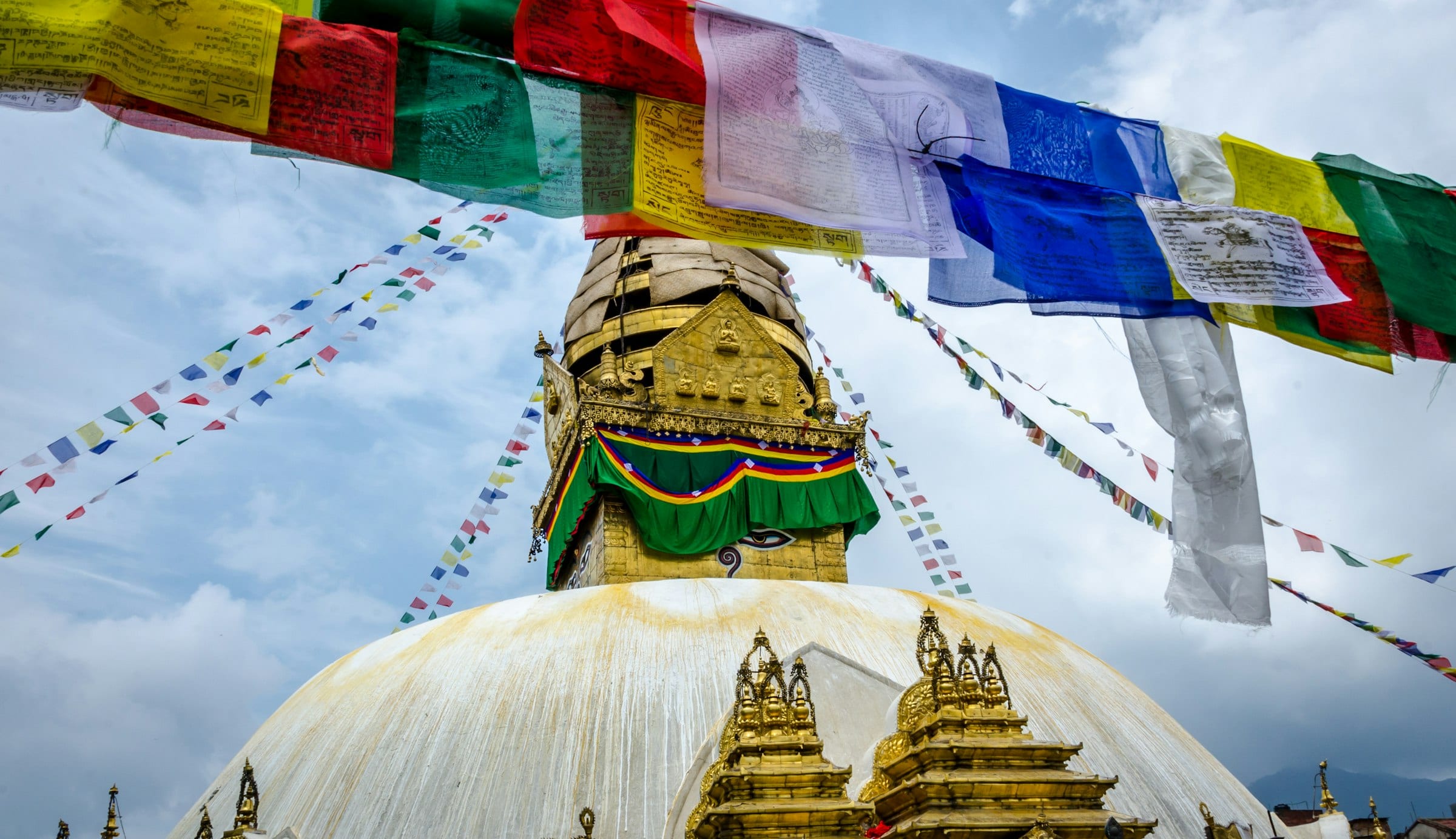
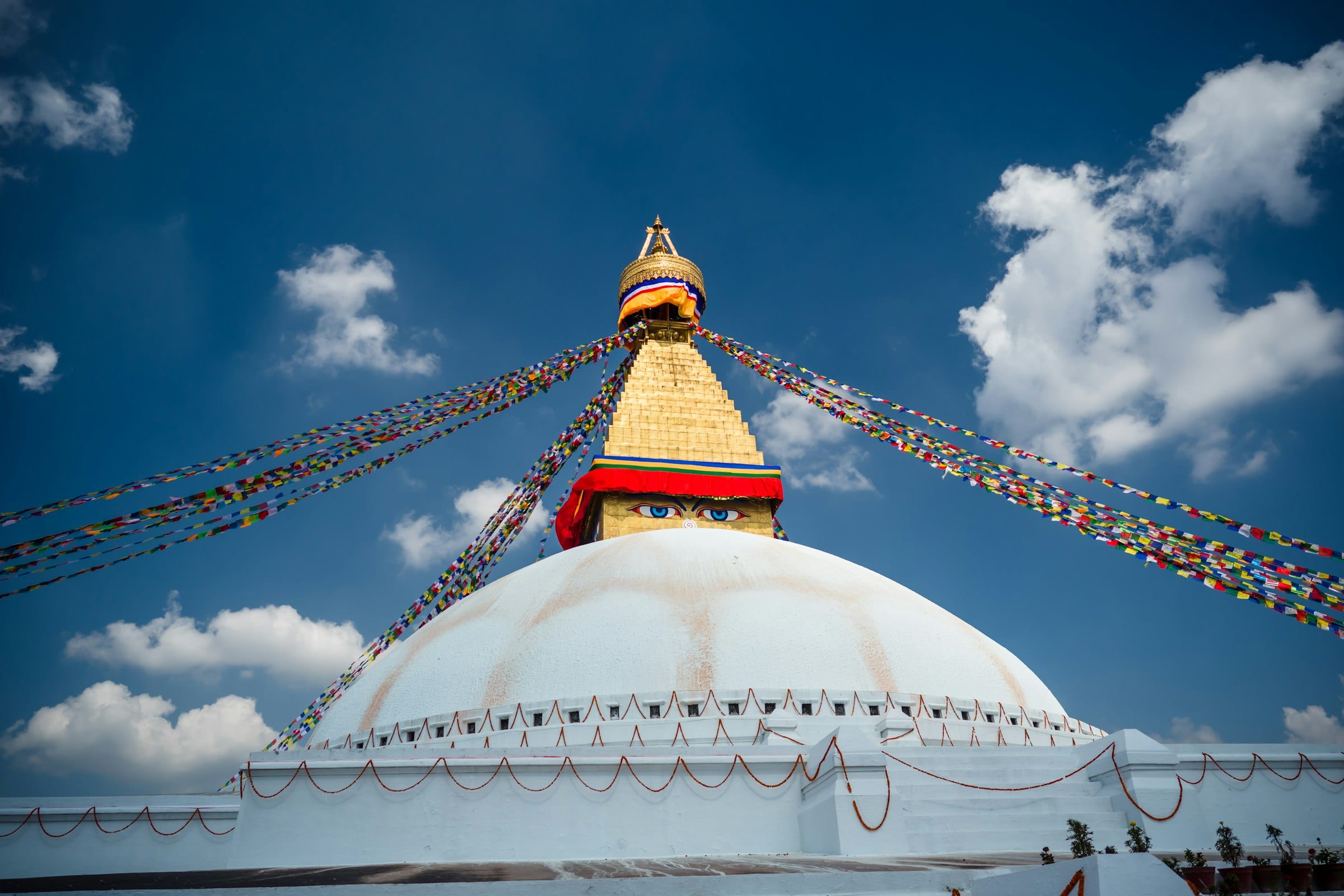
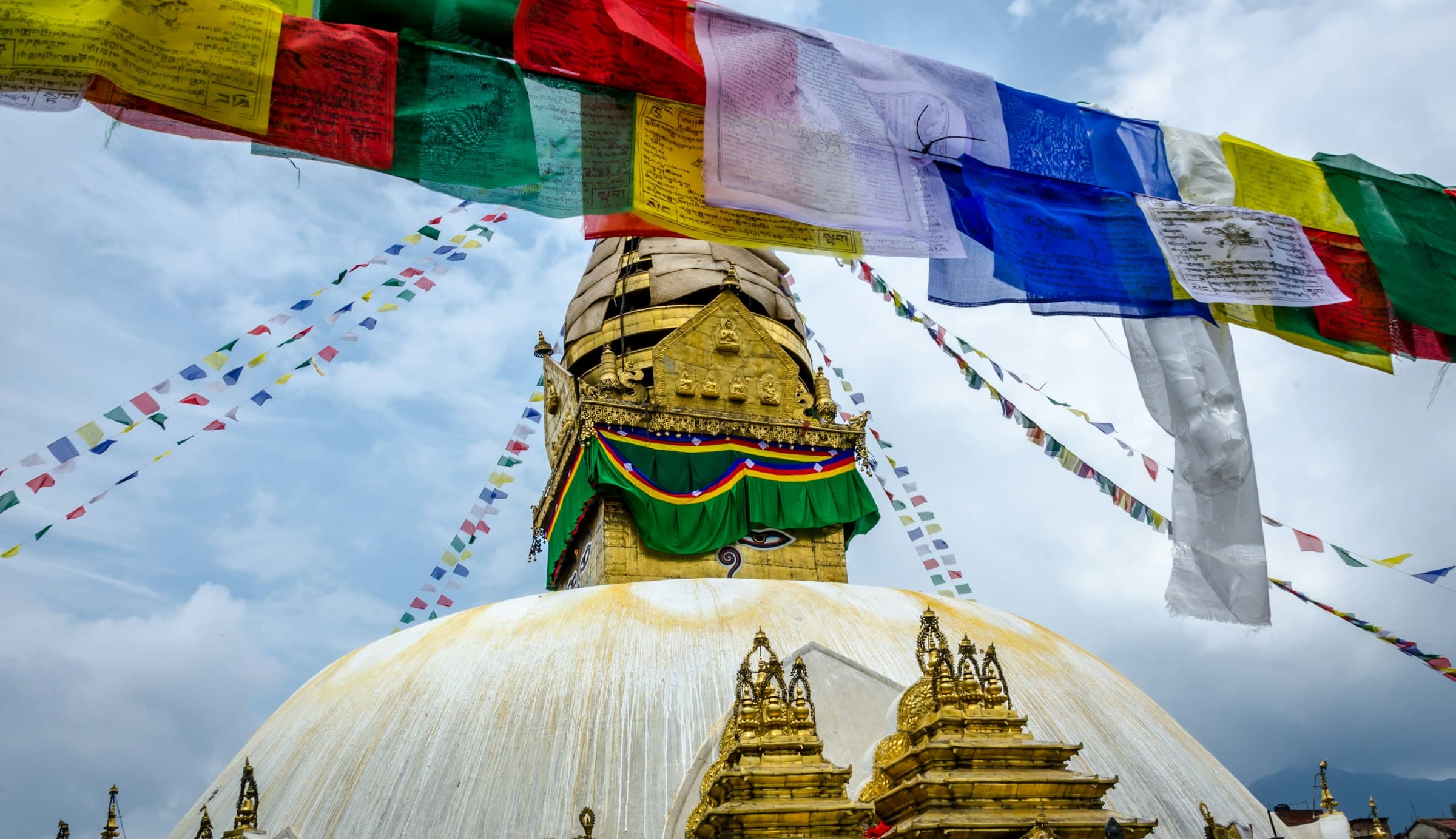
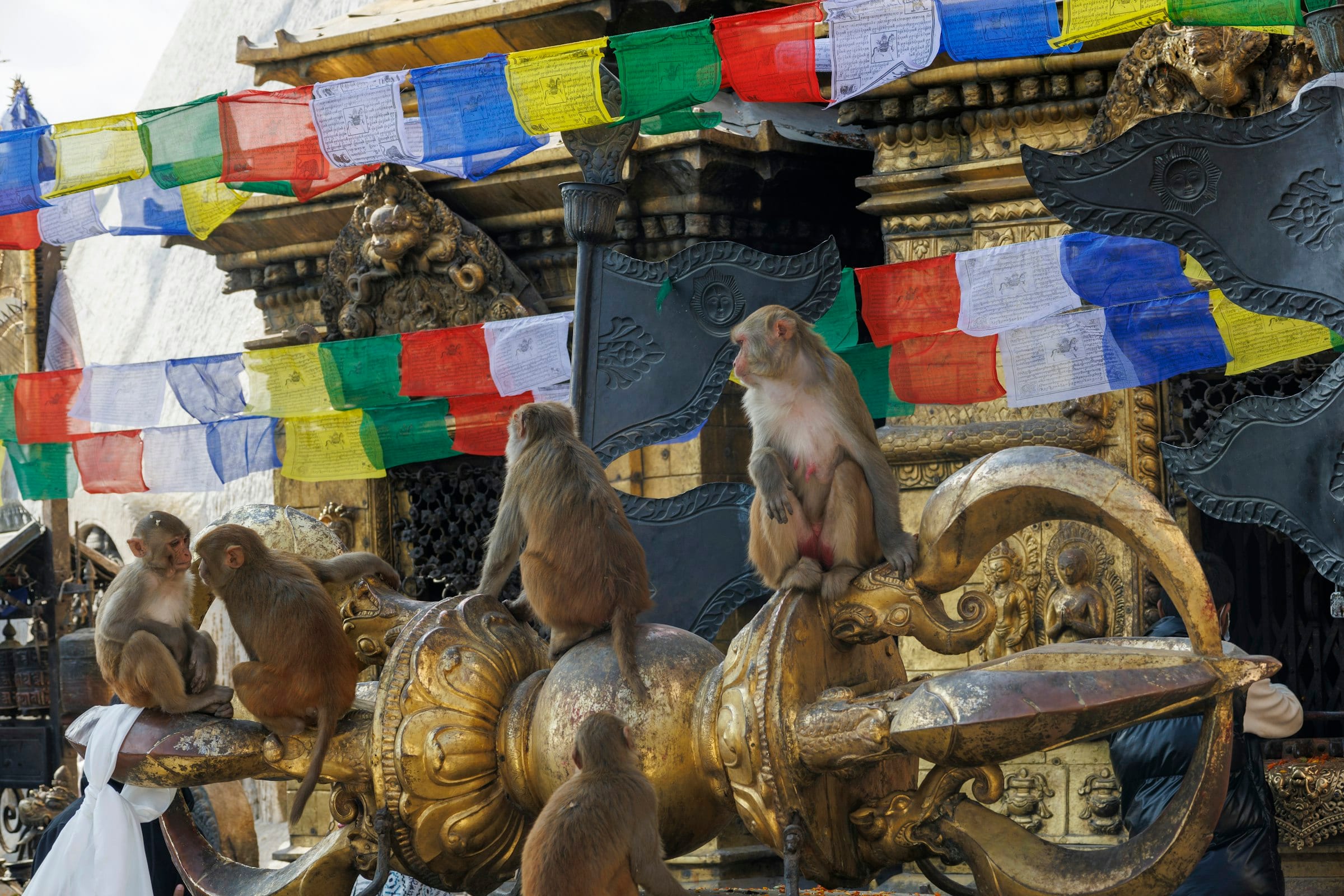
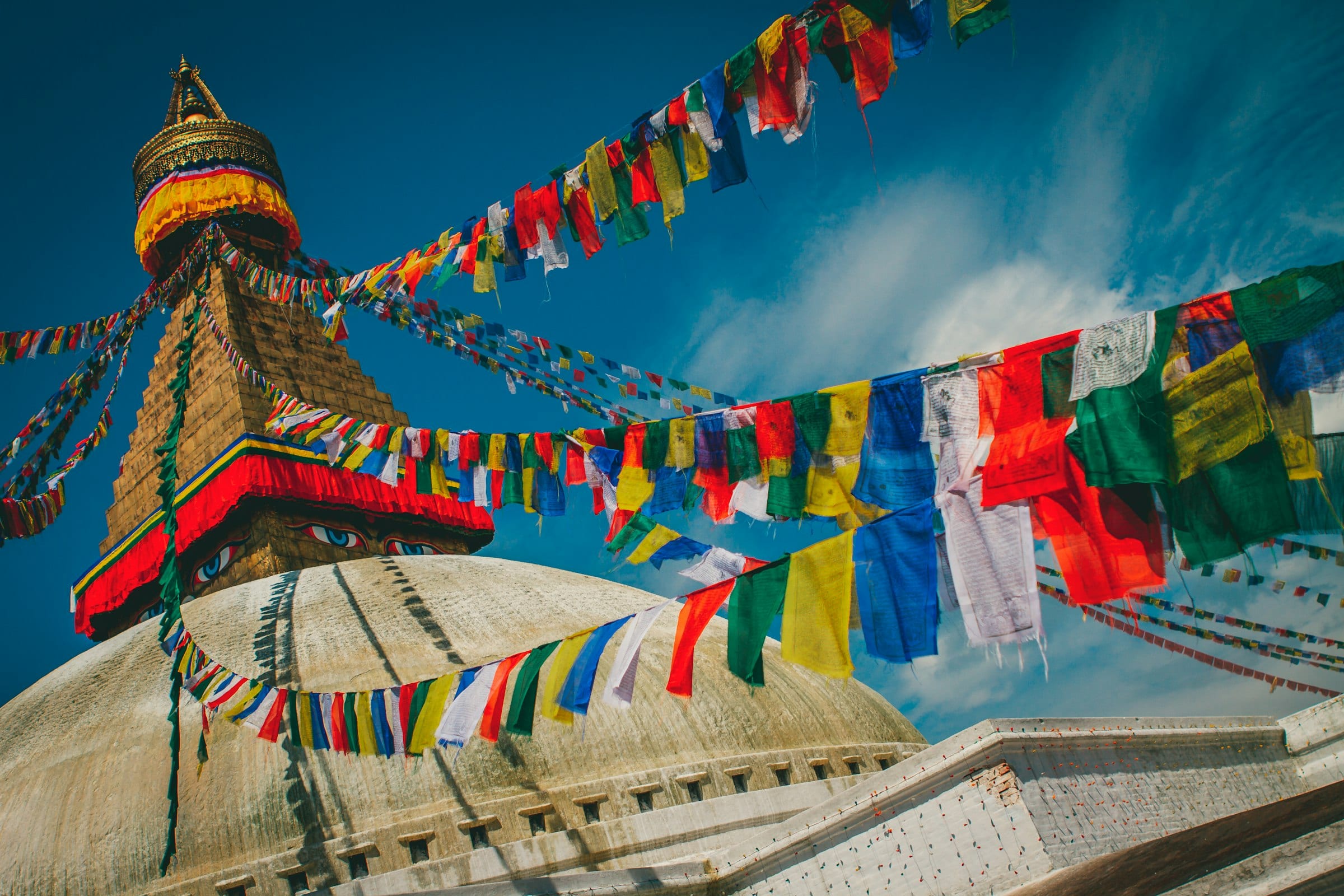
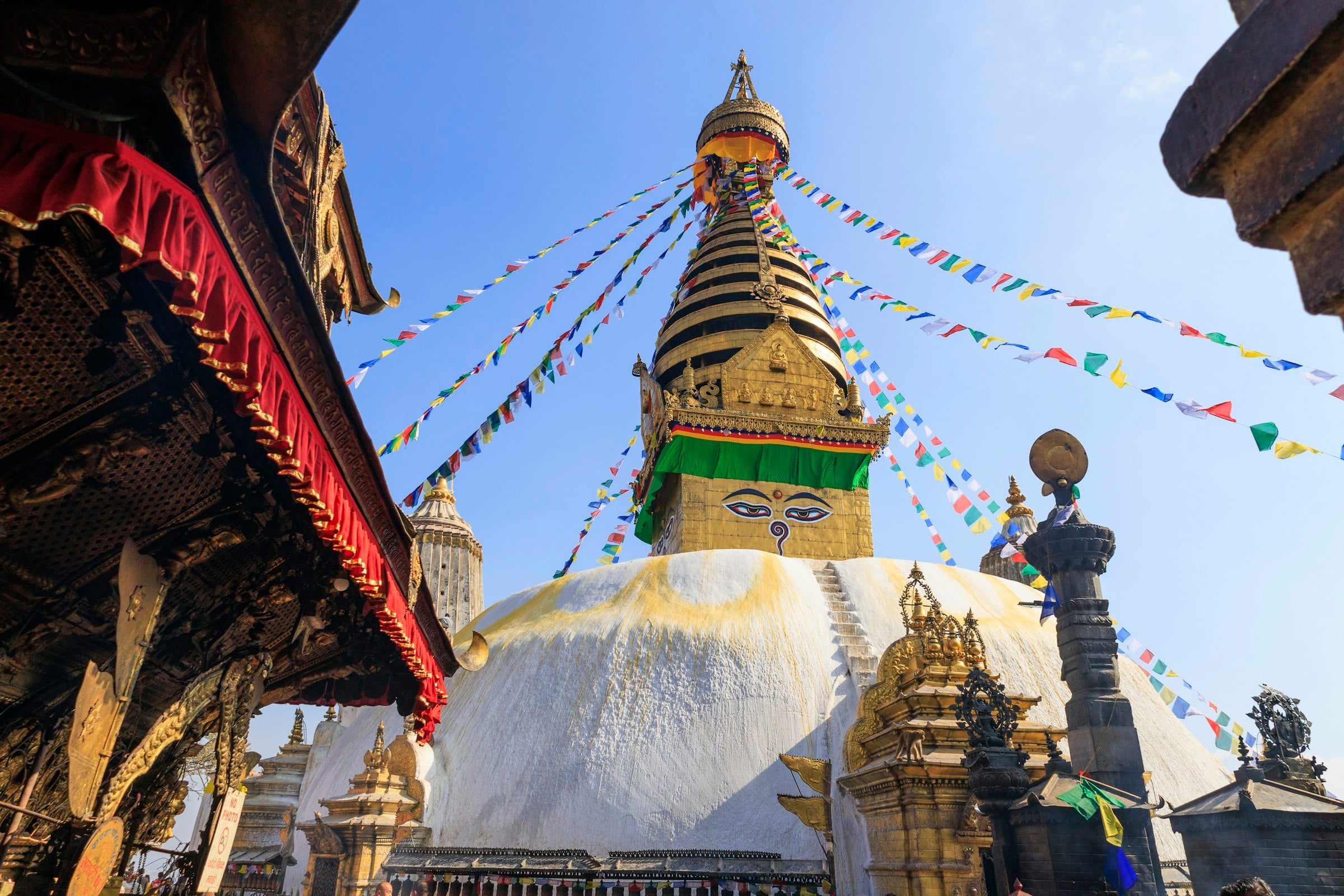
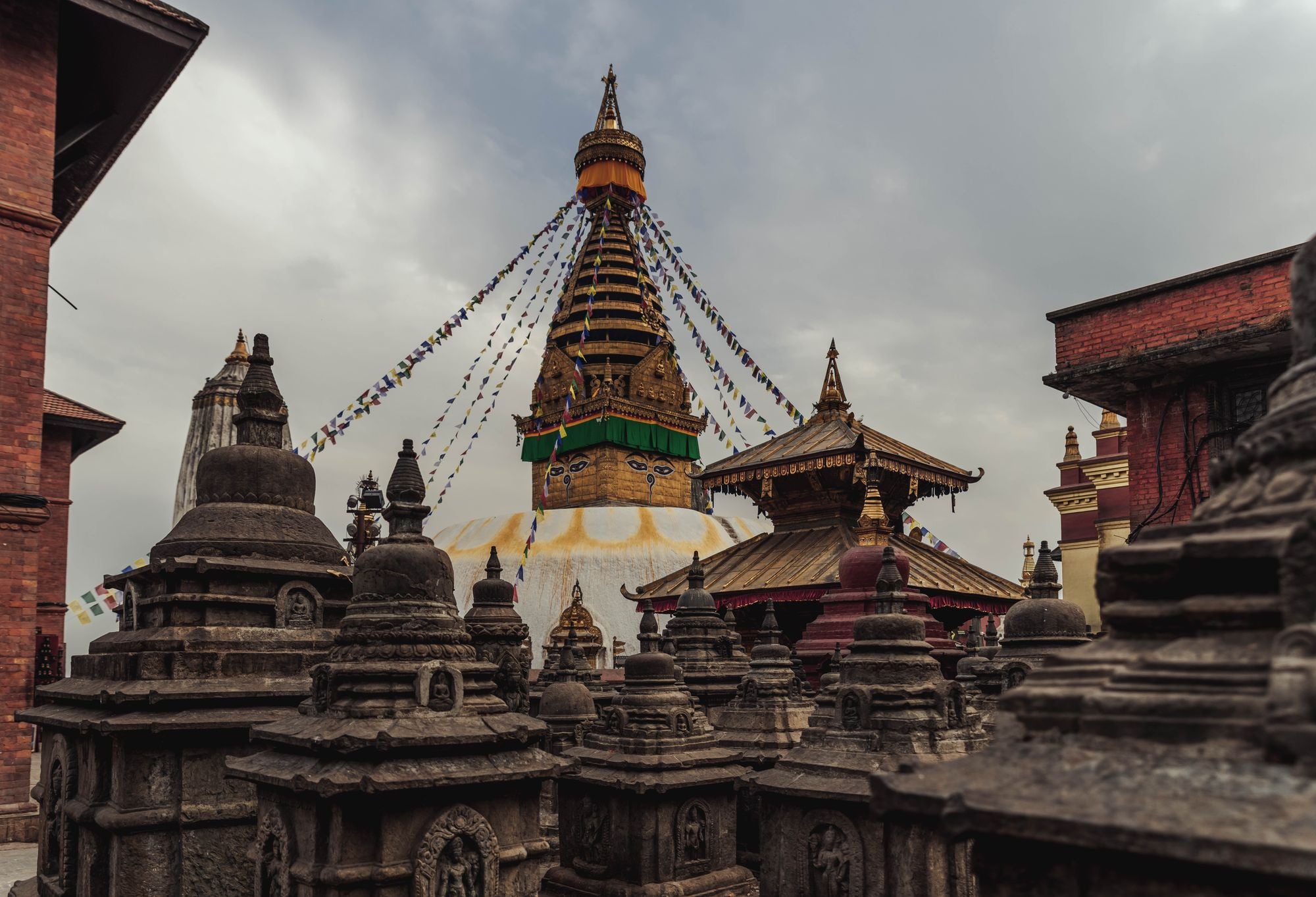
  1. The white dome and gilded spire of Swayambhunath hung with prayer flags

    Kathmandu · Buddhist and Hindu

    Swayambhunath

    Inscribed 1979 · stupa from the 5th century

    A hemispherical stupa on a hill west of the city, with the Buddha's eyes painted on all four sides of its gilded cube and the whole valley laid out beneath it. It is sacred to Buddhists and to Hindus, which is the ordinary condition of religion in this valley rather than an exception. The rhesus macaques that gave it its tourist nickname live in the wood on the east side and are entirely unbothered by you.

    365 stone steps up the east stair, steep at the top; a road runs to the west gate if stairs are a problem.

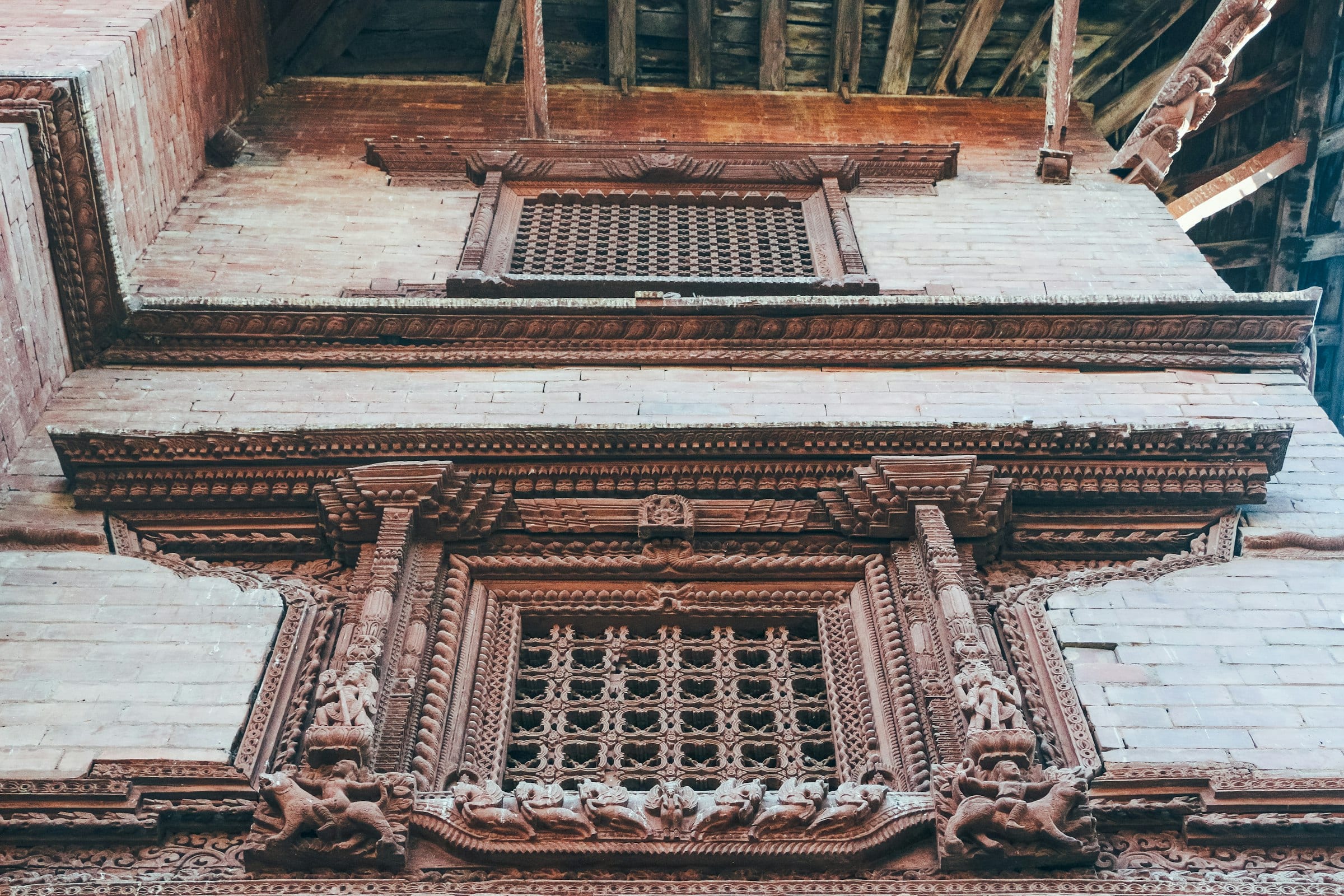
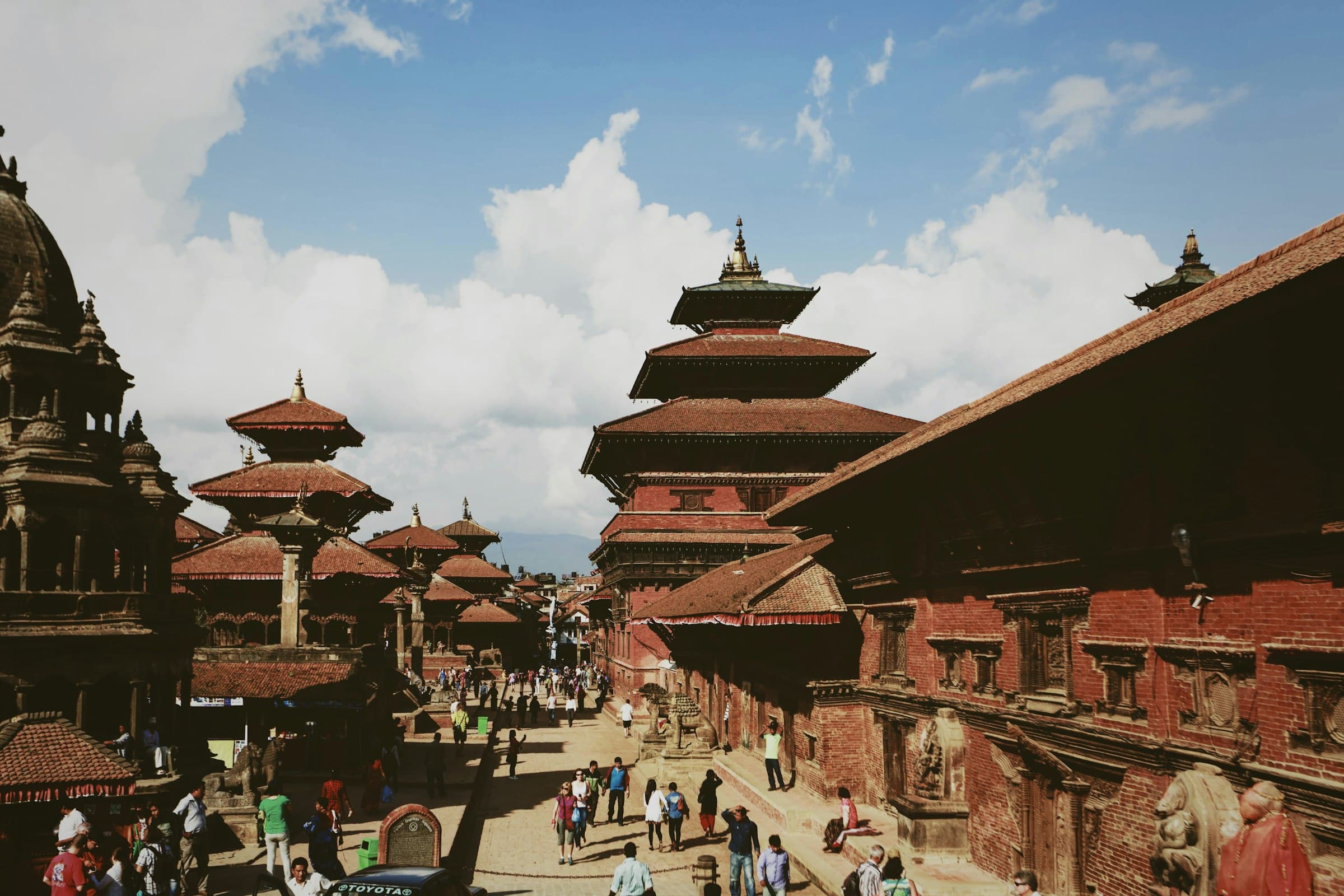
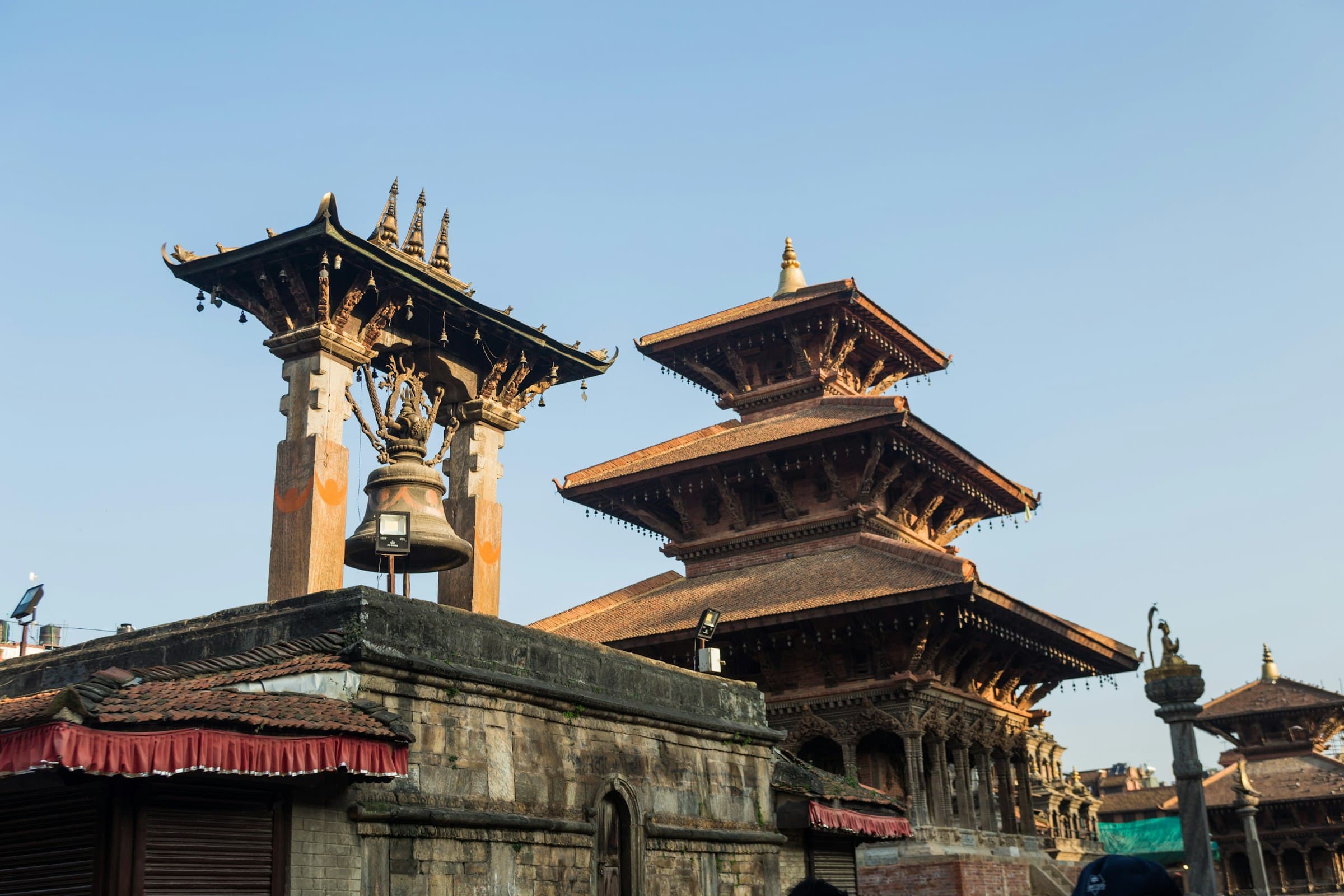
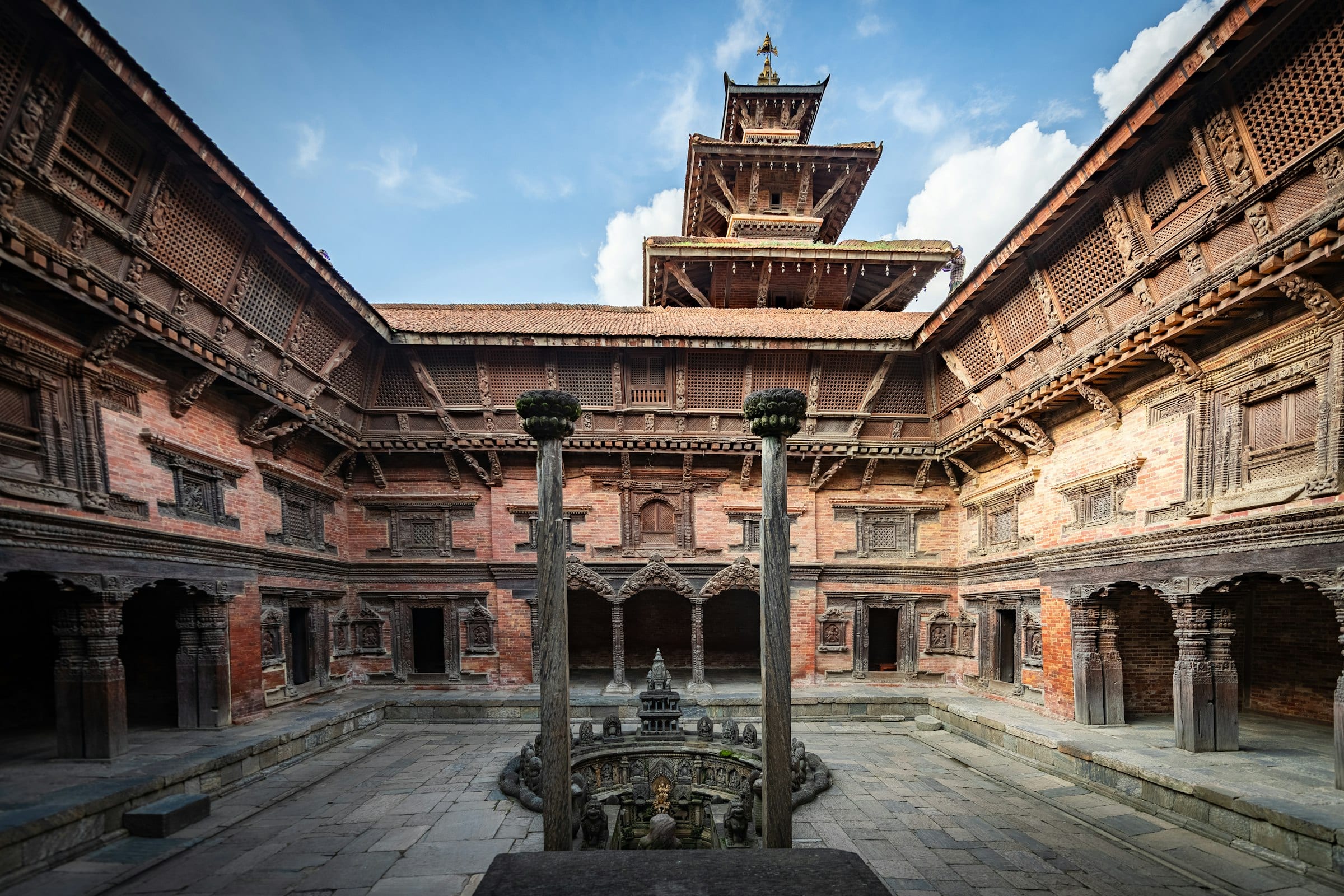
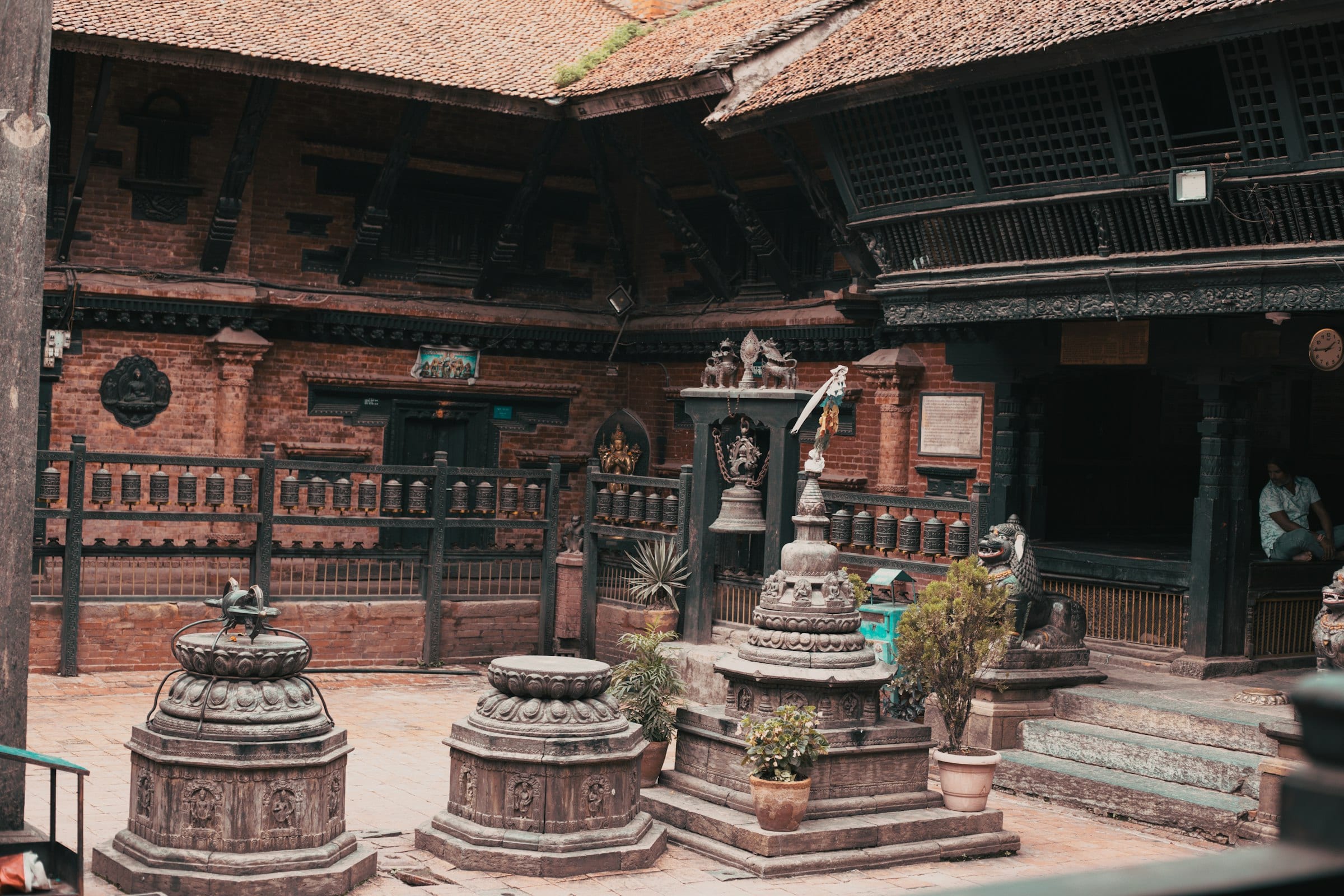
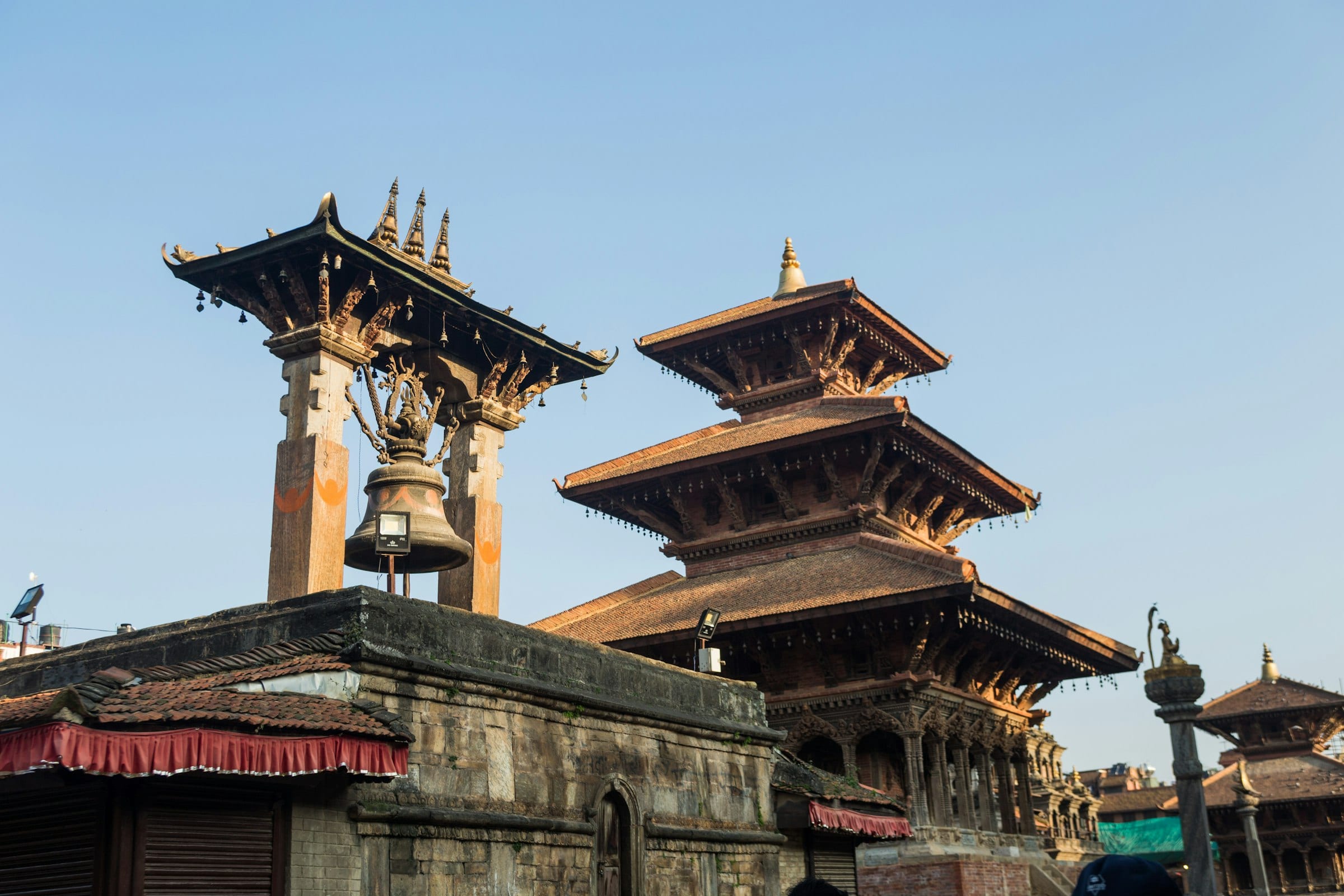
  2. Stone and brick pagoda temples in the pedestrian square at Patan

    Lalitpur · Royal city

    Patan Durbar Square

    Inscribed 1979 · square laid out from the 14th century

    The densest and most walkable of the valley's three royal squares, entirely pedestrian and small enough to cross in three minutes, which is exactly why it repays two hours. The Krishna Mandir was cut from stone in 1637 and carries twenty-one gilt pinnacles. Behind it the palace runs through Sundari Chowk, with the Tusha Hiti bath sunk in its floor, to the Patan Museum — restored over a decade with Austrian help.

    Museum entry is inside your ticket, and it is the one indoor stop that suits a wet afternoon.

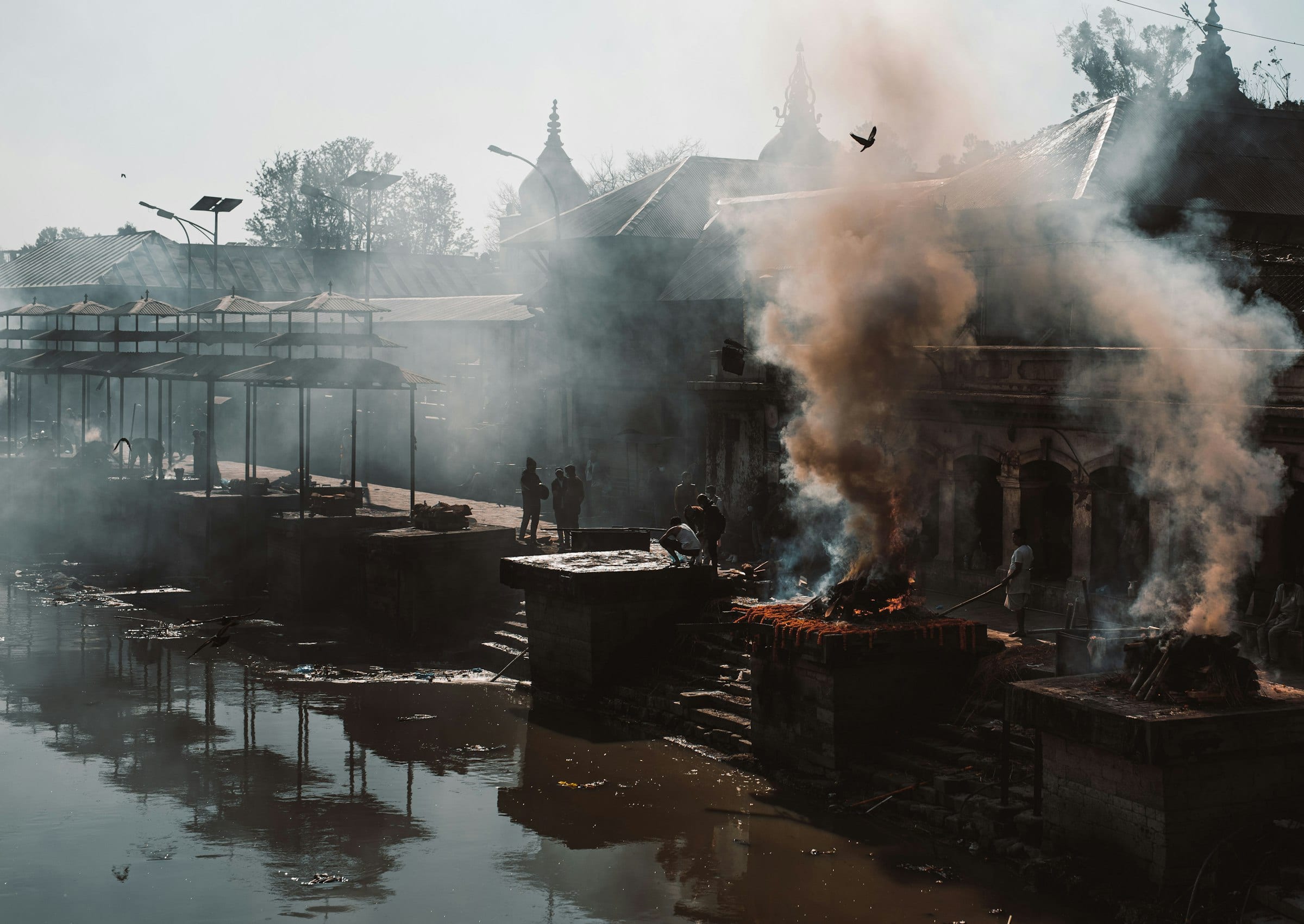
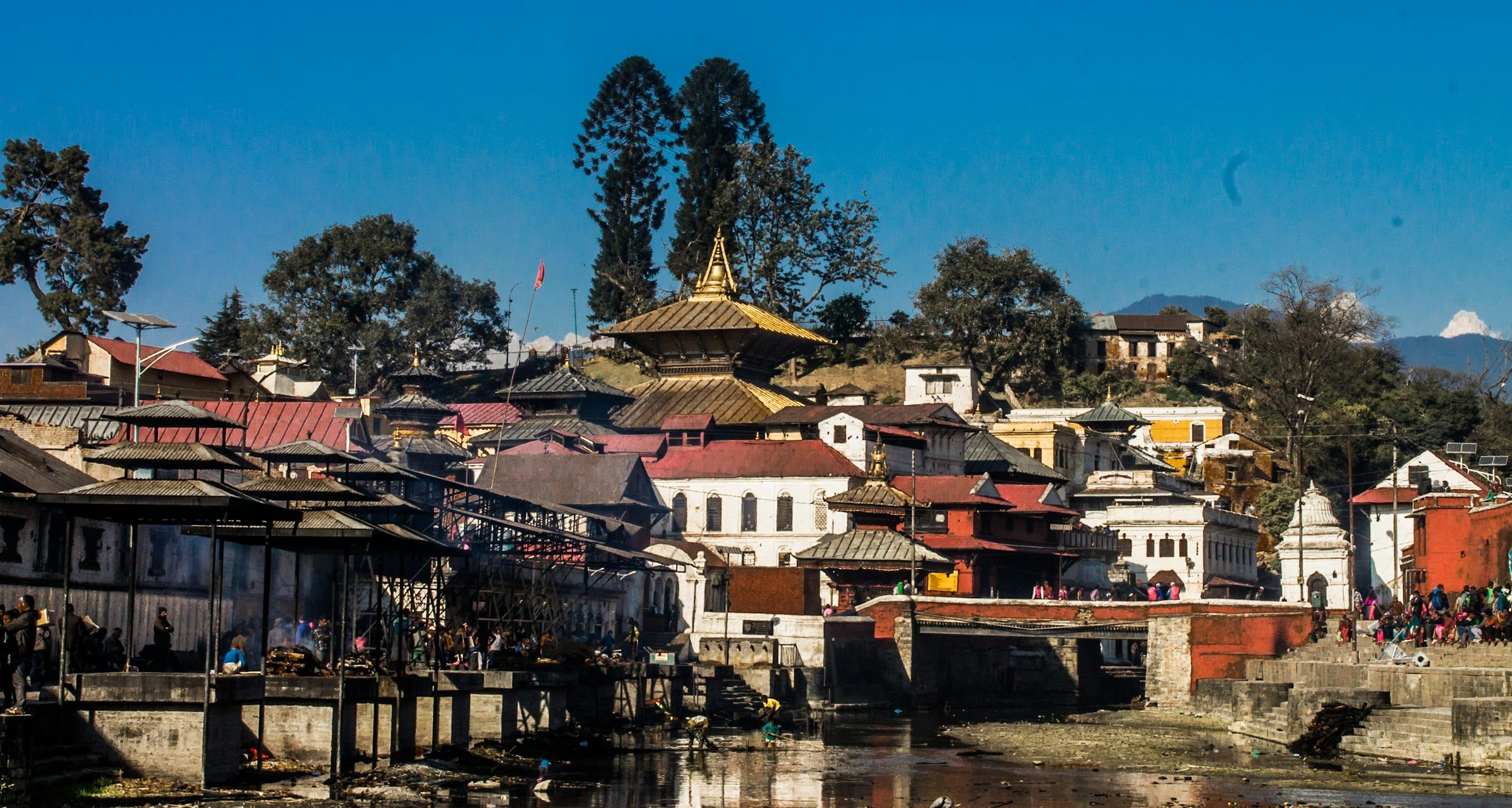
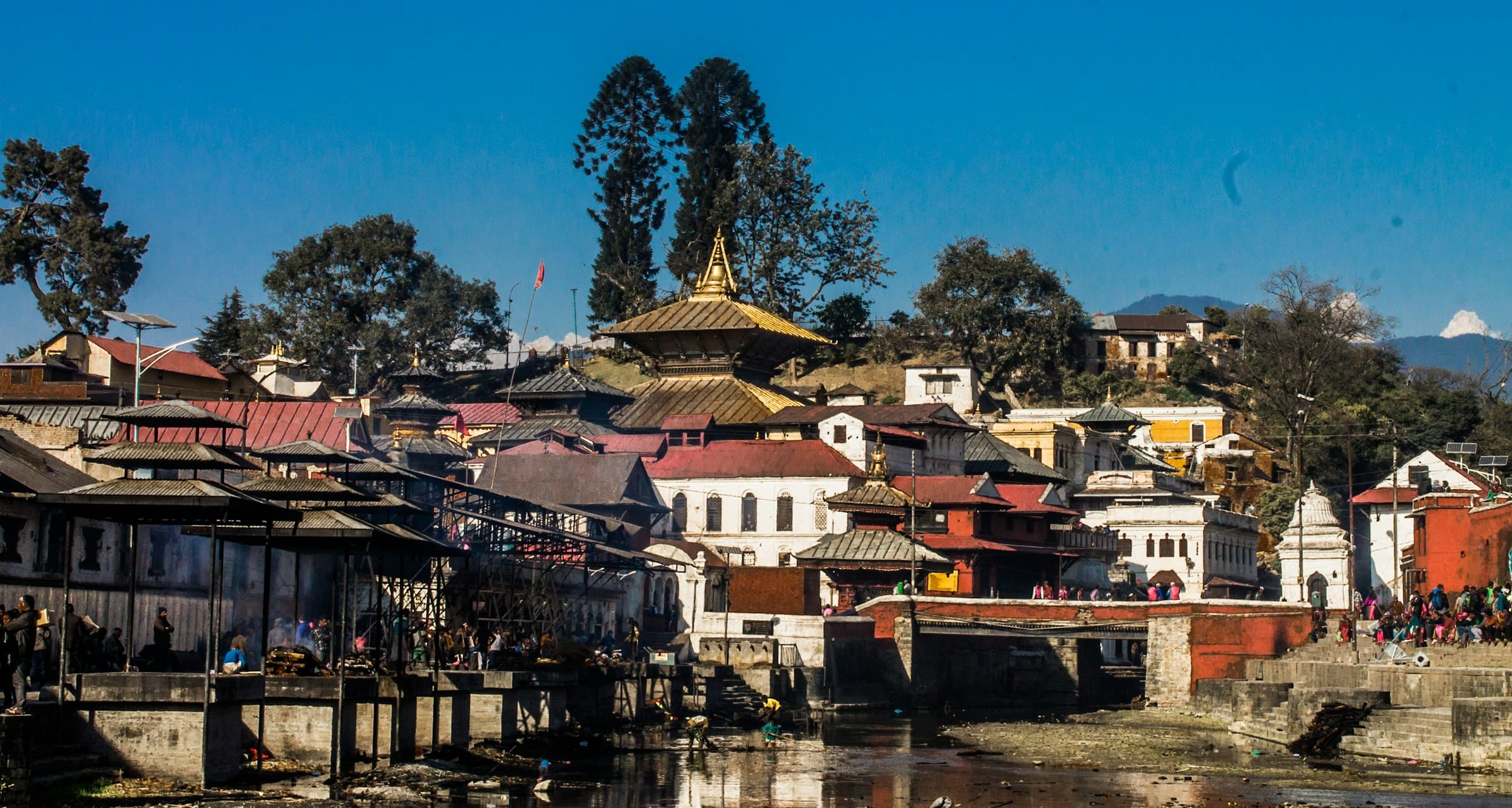
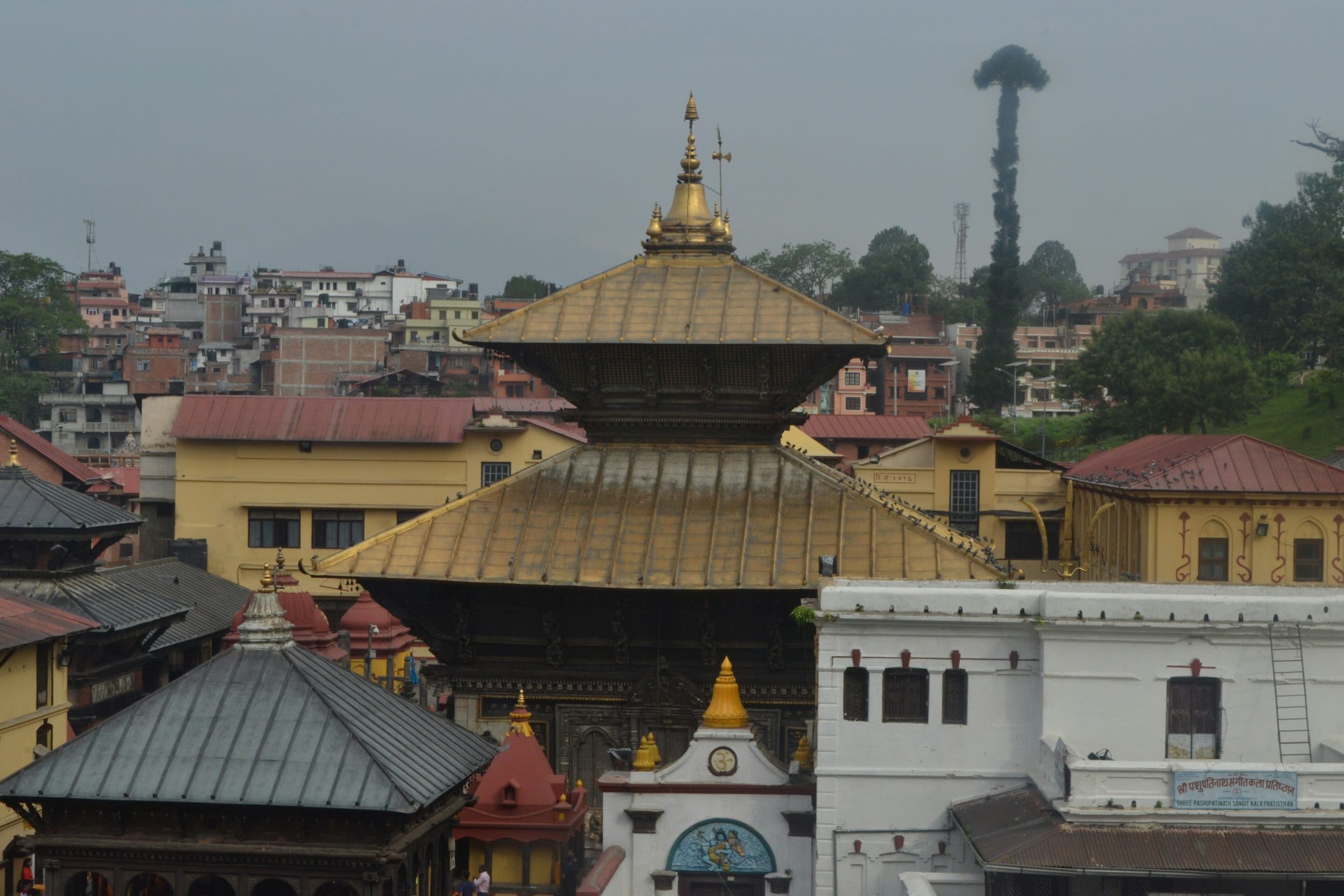
  3. Pagoda roofs and cremation ghats along the Bagmati river at Pashupatinath

    Kathmandu · Hindu

    Pashupatinath

    Inscribed 1979 · shrine recorded from the 5th century

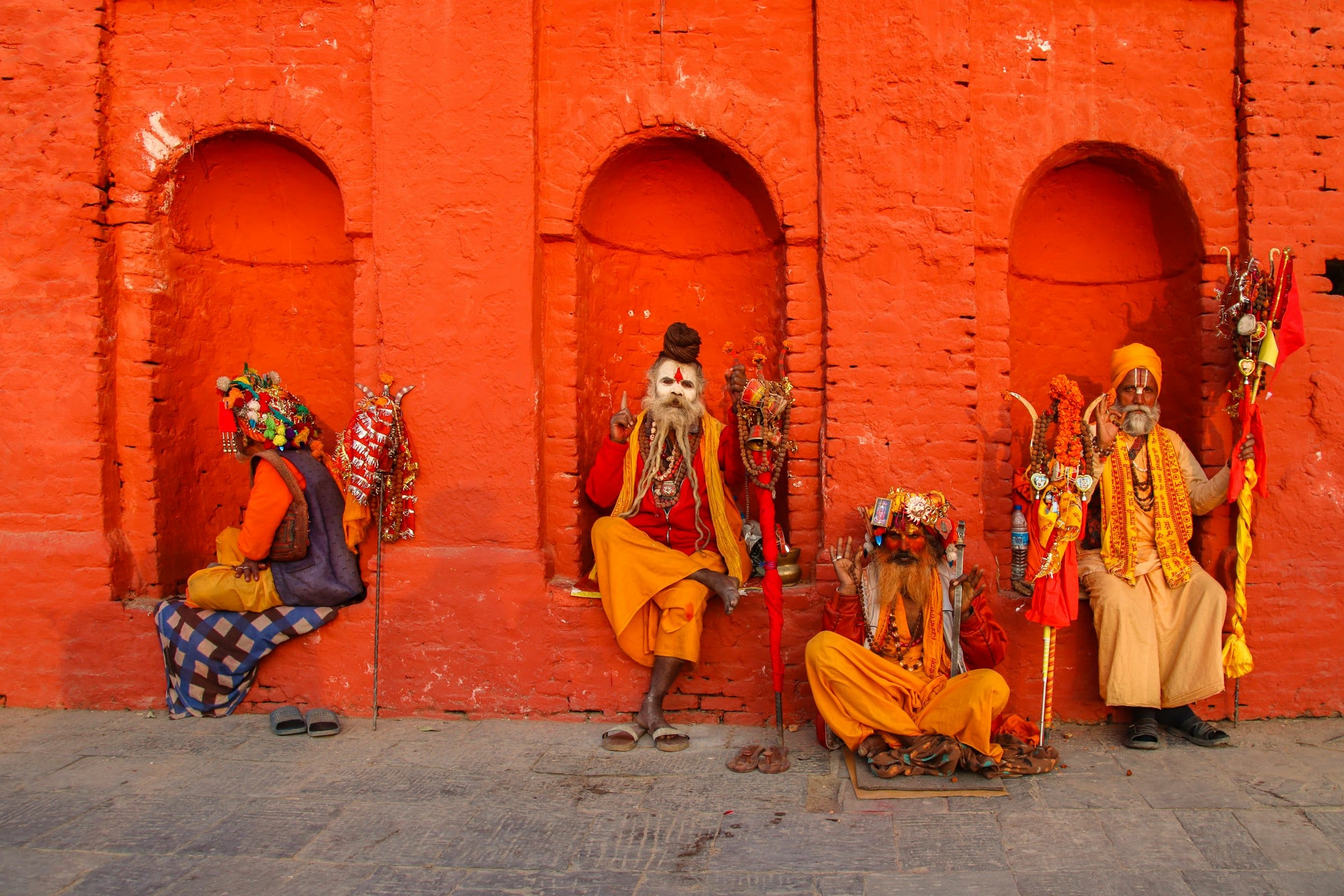
    The holiest Hindu shrine in Nepal, dedicated to Shiva as lord of the animals, and a complex rather than a building: over five hundred temples, ashrams and lingams spread along both banks of the Bagmati, with a deer park behind. Open-air cremations take place on the ghats through the day. Sadhus in ochre sit on the terraces above them.

    Only Hindus may enter the main temple; the east bank sees more anyway. Photograph the cremations from across the river or not at all.

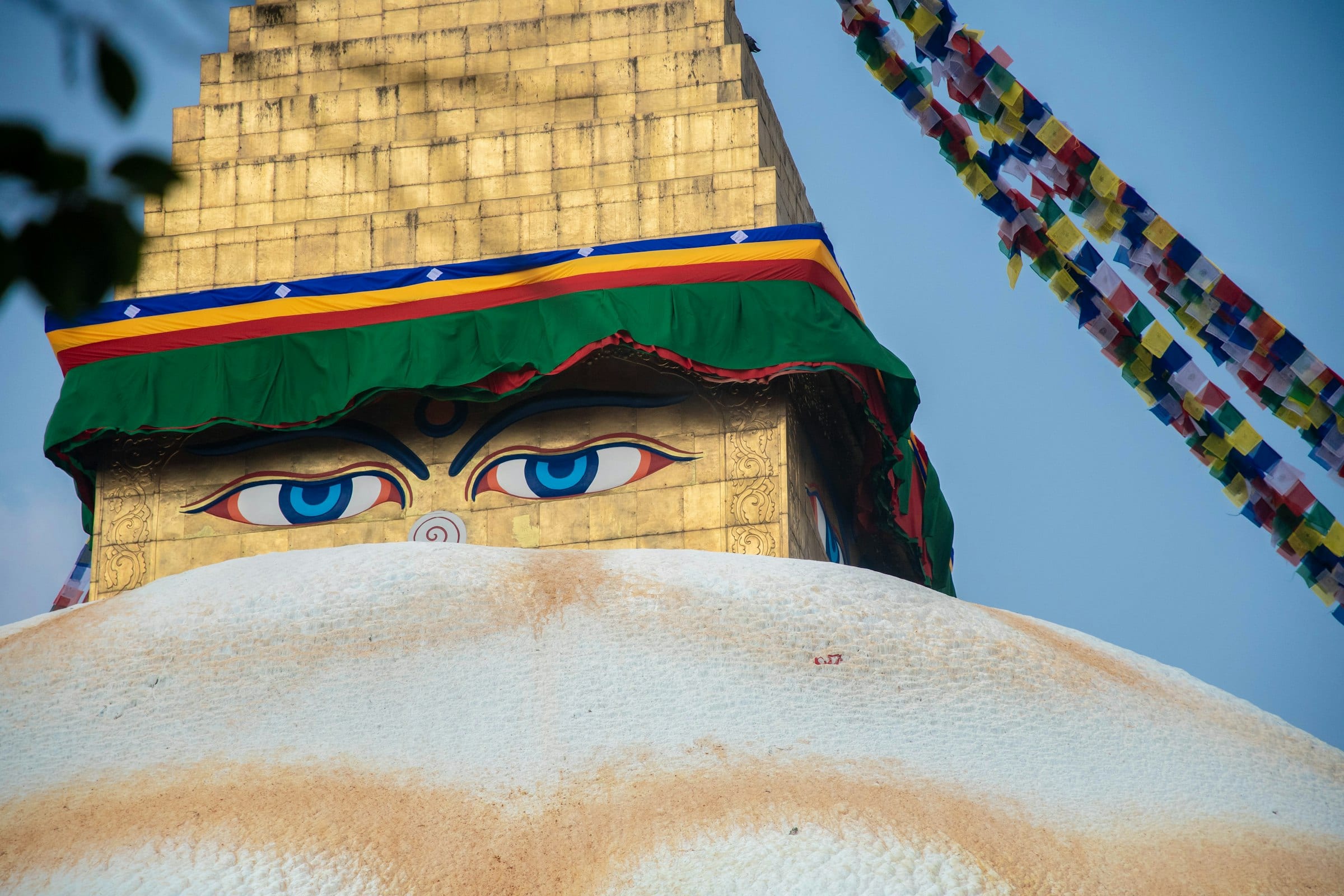
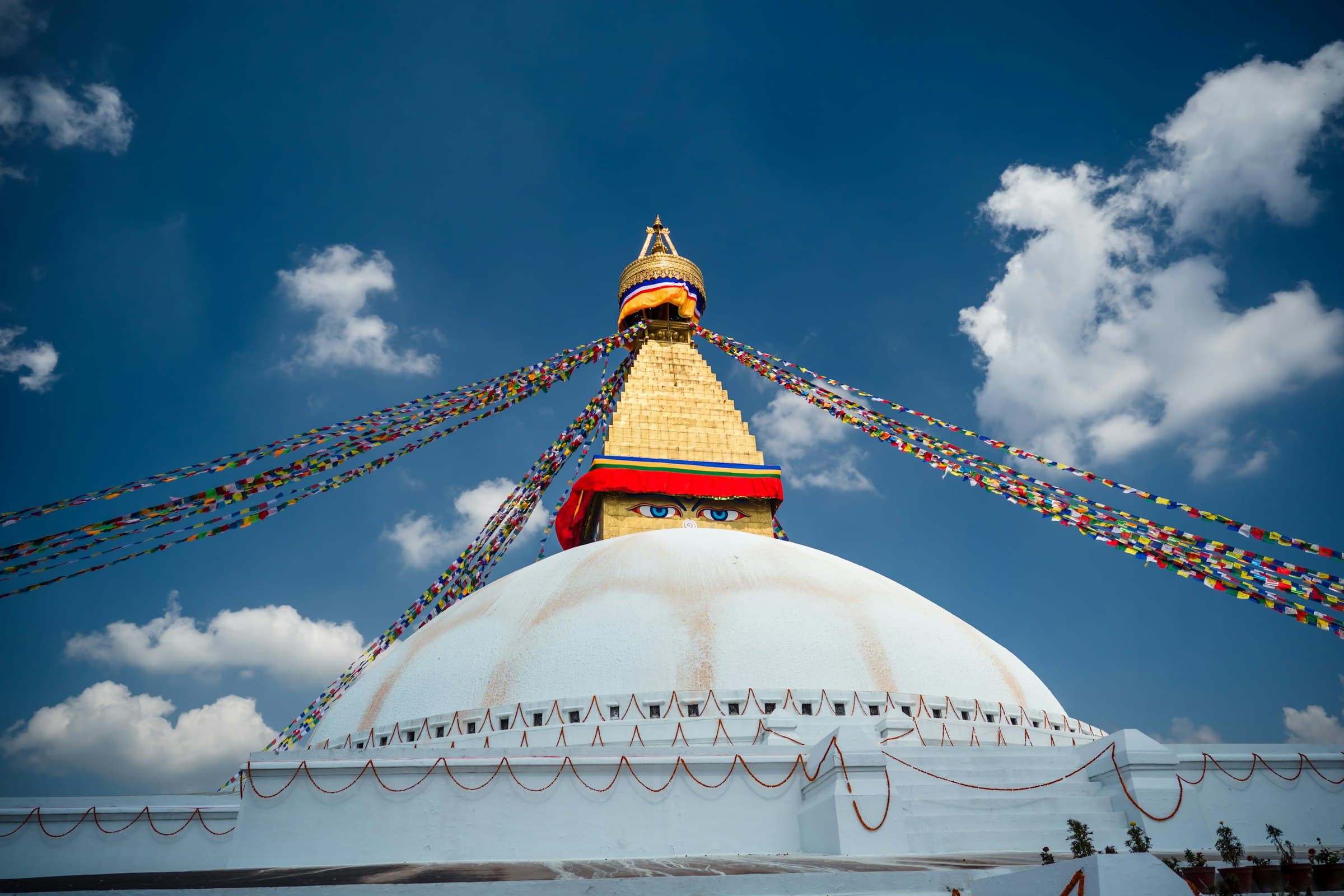
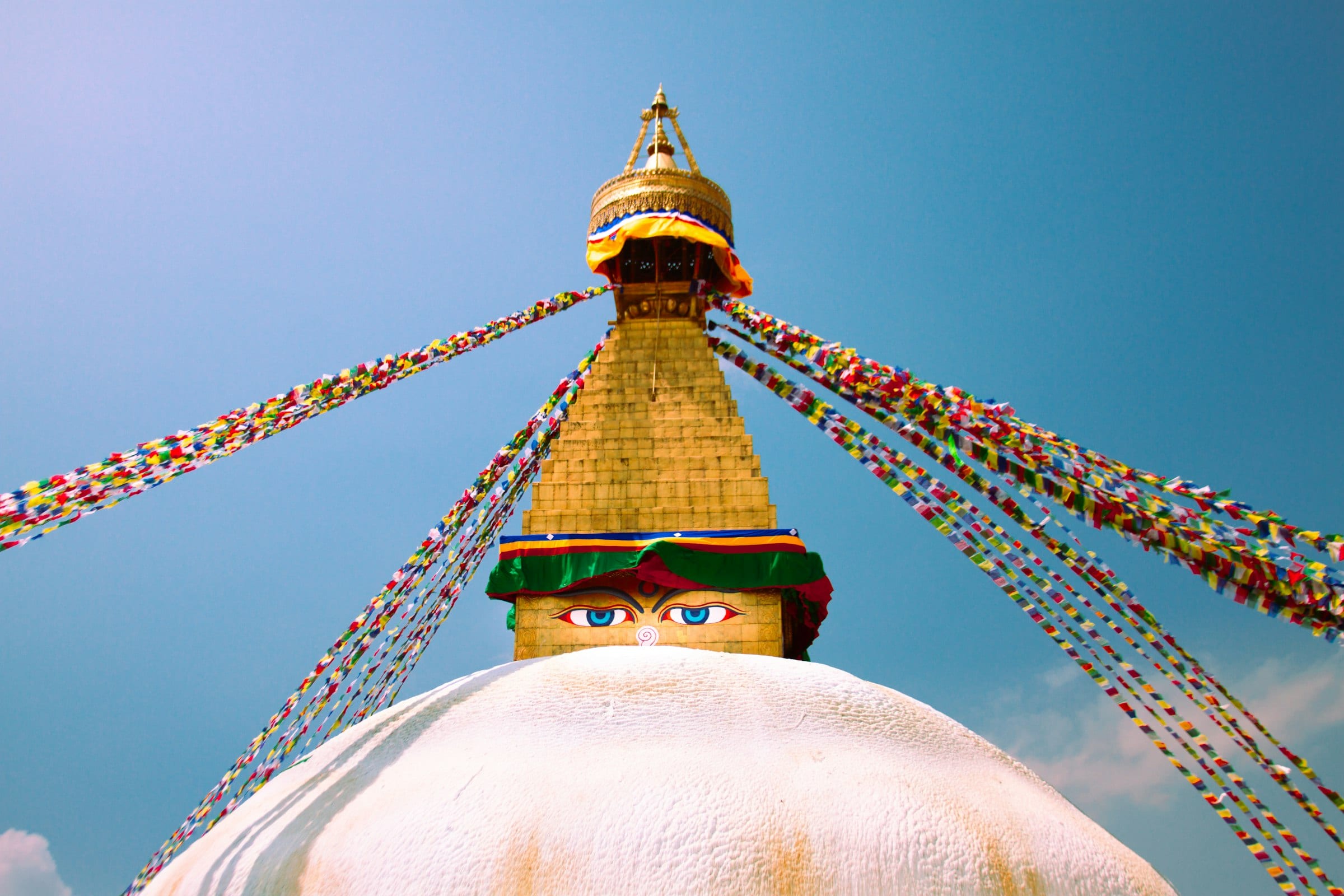
  4. The great white dome and golden spire of Boudhanath stupa

    Kathmandu · Tibetan Buddhist

    Boudhanath

    Inscribed 1979 · rebuilt after 2015

    One of the largest stupas in the world and the centre of Tibetan life in Nepal, ringed by more than fifty monasteries built by the communities that settled here after 1959. The mandala of the base is best understood from a rooftop; the stupa itself is best understood at dusk, when the quarter walks the kora clockwise around it in a slow continuous crowd and the butter lamps go up in the alcoves.

    Walk clockwise, as everyone else is. This is the last stop of the day for exactly that reason.

The day, hour by hour

Download PDF

Written against the clock rather than against a list of days, because on a trip this length the order is the product. Open a stop to read it in full.

6 stops

  1. 08:30Pick-up from your hotel15 minAnywhere in the valley

    Your guide and driver meet you in the lobby. The start time is yours — 08:30 is what we suggest, because it puts Swayambhunath in the morning light and Boudhanath at dusk, but the day works from anywhere between seven and ten. If you are staying outside Thamel, in Patan or out by the airport, we come to you; there is no meeting point to find.

    • Any hotel in the Kathmandu valley, at an hour you choose
    • Bottled water in the vehicle, and a driver who waits at every stop
    • Tell us on the day if you would rather swap a site out
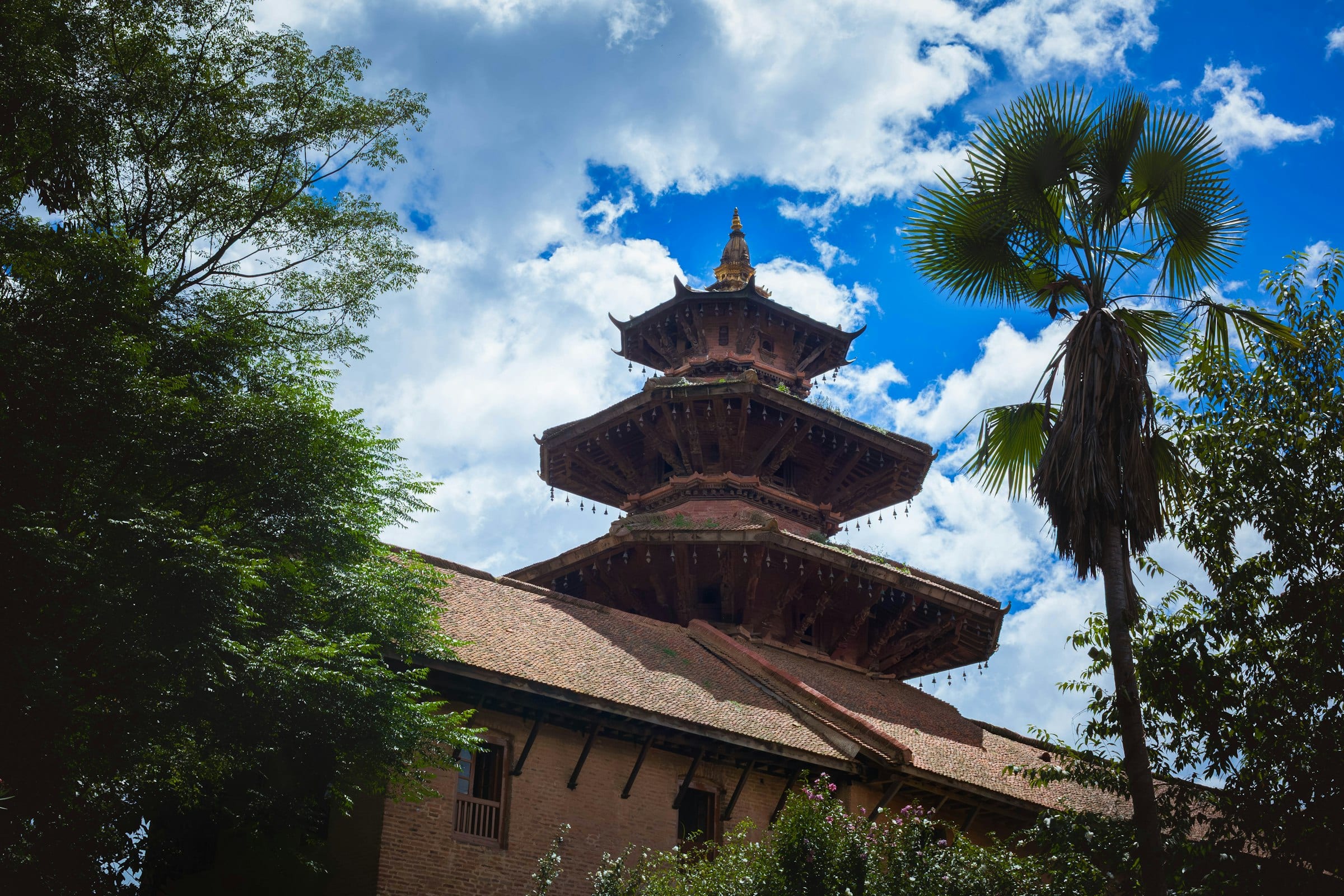
    Pagoda temples above a busy street in the old city of Kathmandu
  2. 09:00Swayambhunath1 hr 15 min20 min from Thamel

    First because of the light. The stupa sits on a hill west of the city with the Buddha's eyes painted on all four sides of its gilded cube, and from the terrace the whole valley is laid out below you — which is the best possible orientation before you spend the day crossing it. It is 1,500 years old and sacred to Buddhists and Hindus alike. The rhesus macaques that gave it its tourist nickname live in the wood on the east side and will ignore you unless you are carrying food.

    • 365 stone steps up the east stair, steep near the top
    • A road runs to the west gate if the stairs are a problem — just say
    • Do not feed the monkeys, and keep loose bags zipped
    The white dome and gilded spire of Swayambhunath hung with prayer flags
  3. 10:45Patan Durbar Square, and lunch2 hrs 30 min30 min across the Bagmati

    The densest of the valley's three royal squares and entirely pedestrian, small enough to cross in three minutes and worth two hours. The Krishna Mandir was cut from stone in 1637 and carries twenty-one gilt pinnacles; behind it the palace runs through Sundari Chowk, with the Tusha Hiti bath sunk in its floor, to the Patan Museum, which is the finest small museum in South Asia and is inside your ticket. Lunch is upstairs on a courtyard roof over the square, not back at a hotel.

    • Patan Museum entry included — allow half an hour of the stop for it
    • Lunch in a courtyard restaurant on the square, included
    • The metal and woodcarving workshops behind the square, if you want them
    Stone and brick pagoda temples in the pedestrian square at Patan
  4. 14:00Pashupatinath1 hr 15 min35 min north-east

    The holiest Hindu shrine in Nepal, dedicated to Shiva as lord of the animals, and a complex rather than a building: over five hundred temples, ashrams and lingams along both banks of the Bagmati, with a deer park behind. Non-Hindus may not enter the main temple, and the east bank is the better side anyway — the terraces above the ghats, the sadhus in ochre, and the view across the river. Open-air cremations take place through the day. Your guide will explain what you are looking at and where to stand.

    • Watched from the far bank, quietly and at a distance
    • Photograph the cremations from across the river, or not at all
    • Leather belts and bags are not allowed in parts of the complex
    Pagoda roofs and cremation ghats along the Bagmati river at Pashupatinath
  5. 15:45Boudhanath, and the evening kora1 hr 45 min15 min, the shortest hop of the day

    The last stop and the one the whole running order is built around. One of the largest stupas in the world and the centre of Tibetan life in Nepal, ringed by more than fifty monasteries built by the communities that settled here after 1959. We arrive while it is still quiet enough to understand the mandala of the base from a rooftop, then stay for the part that matters: at dusk the quarter walks the kora clockwise around it in a slow continuous crowd, and the butter lamps go up in the alcoves. You walk it with them.

    • Walk clockwise, as everyone else is
    • A rooftop chai over the stupa first, then down into the circuit
    • This is why the day runs west to east and not the other way
    The great white dome and golden spire of Boudhanath stupa
  6. 17:30Back to your hotel30 minBoudhanath to Thamel

    Drop-off wherever we collected you, usually a little after six. If you would rather stay on at Boudhanath for dinner — there are good rooftops around the stupa and it is at its best after dark — say so in the vehicle and we will leave you there with a taxi arranged. And if the day has convinced you the valley deserves more than one, the seven-day version adds Bhaktapur, Changu Narayan, the craft villages and a Himalayan sunrise from Nagarkot.

    • Dropped at your hotel, or left at Boudhanath with a taxi booked
    • Airport drop-off instead, if you are flying out the same evening
    • No tip is expected in the vehicle, and none is hinted at
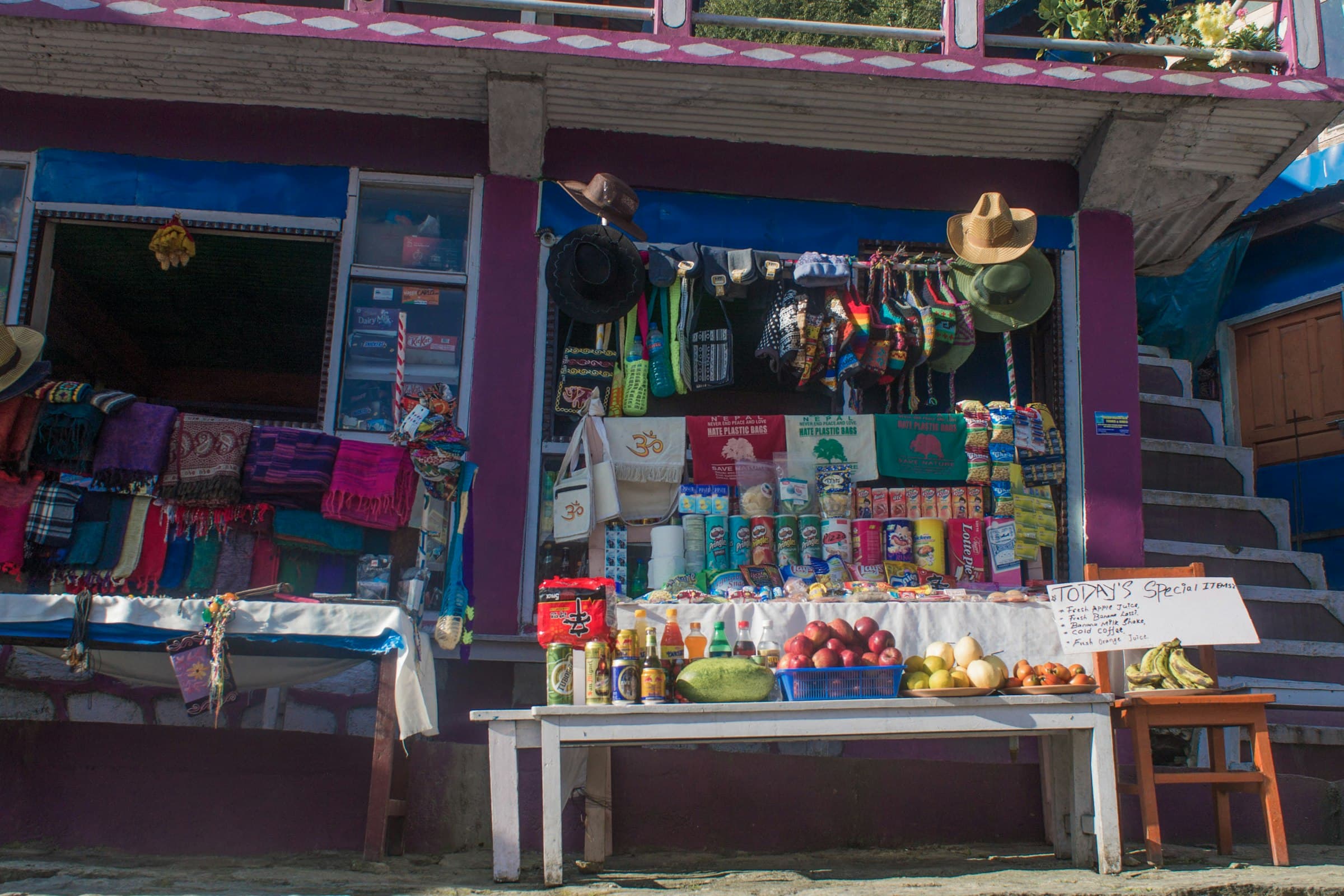
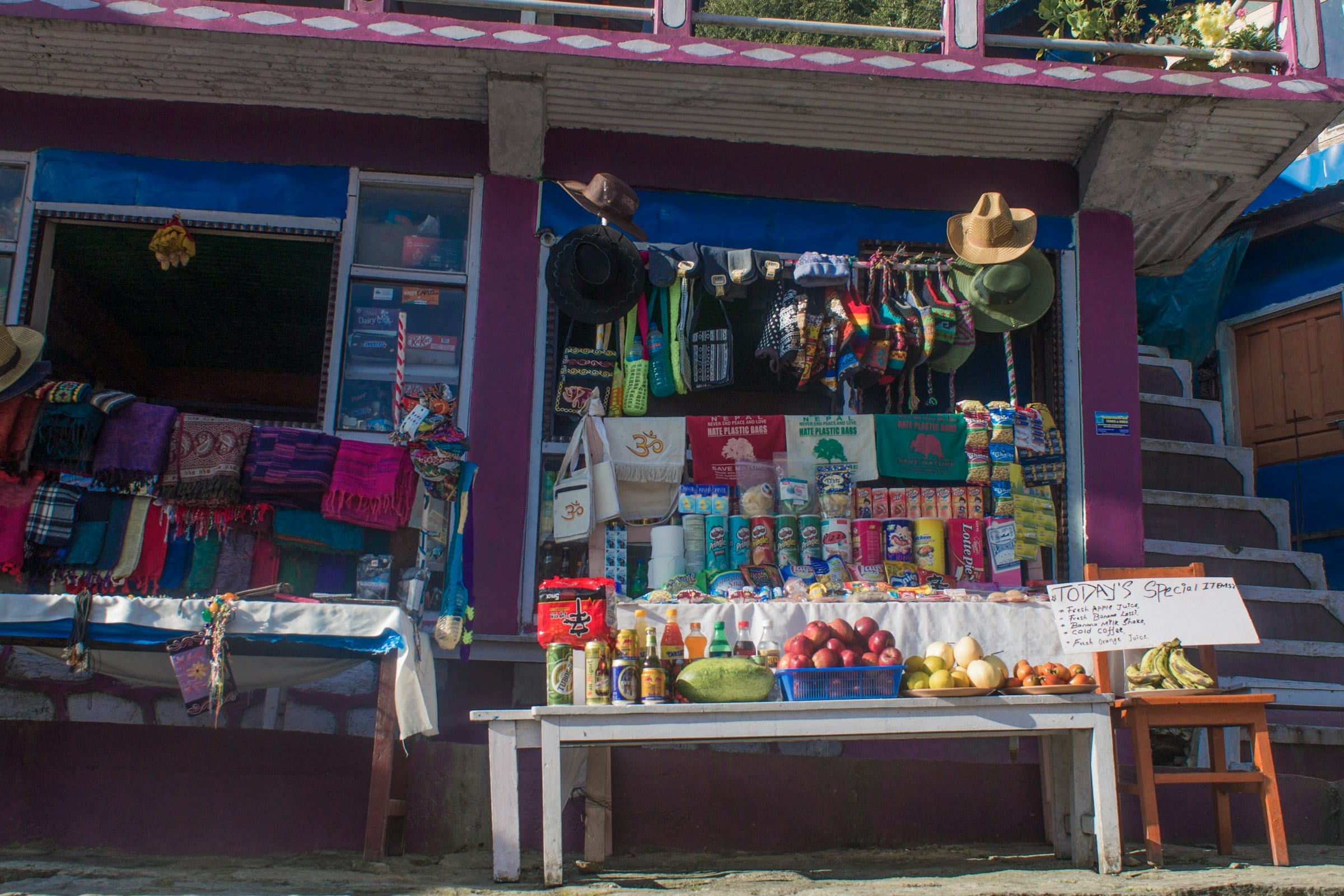
    A small shop of colourful goods on a street in Kathmandu

Dates and prices

The tour runs every day of the year, privately, from one traveller. The dates below are the next mornings a vehicle and an English-speaking guide are already held; any other date is a request away.

    None of these dates work?

    Every booking of this tour is private, so any date of the year works and so does any start time. Pick a morning and we will hold a vehicle, a guide and the four tickets against it.

    Pick a start date and we will price it

    What's included

    The entrance fees are the line worth comparing: about NPR 2,600 a head is collected across these four gates, and it is inside the price on this page.
    Included

    9 items

    In the price on this page

    • Hotel pick-up and drop-off anywhere in the Kathmandu valley
    • Private vehicle for the day, sized to your party, with a driver who waits
    • Government-licensed, English-speaking Newar guide from the valley
    • Every entrance fee at the four sites, about NPR 2,600 a head
    • Patan Museum entry, inside the same ticket
    • Lunch in a courtyard restaurant on Patan Durbar Square
    • Bottled water in the vehicle through the day
    • All guide and driver wages, insurance, fuel and parking
    • All government taxes, VAT and our service charge

    Not included

    8 items

    Budget for these separately

    • Hotel accommodation, and anything before pick-up or after drop-off
    • Breakfast and dinner, and all drinks with lunch
    • Camera and video fees at the few monuments that charge one separately
    • Anything bought at the craft workshops, if you ask to stop at one
    • Personal expenses and souvenirs
    • Travel insurance, which we ask you to hold
    • Tips for your guide and driver: customary, and entirely your call
    • Anything not listed under what is included

    Common questions

    • How long does the day actually take?

      Six to seven hours door to door, and it is seven more often than six. The four sites themselves account for about five and a half hours; the rest is roughly 35 km of driving split into four hops, and Kathmandu traffic is the variable nobody controls. If we are running behind, your guide will tell you what is at risk and let you choose what to shorten rather than quietly cutting the last stop.

    • What time does it start, and can I change that?

      08:30 is what we suggest and the whole day is planned around it — Swayambhunath in the morning light, Boudhanath at dusk. Anywhere between 07:00 and 10:00 works, and later starts simply push the kora at Boudhanath closer to dark, which is no bad thing. Tell us when you book, or tell the guide the night before. A start after about 11:00 means dropping a site, and we will say so rather than rushing all four.

    • Which four sites, and why not all seven?

      Swayambhunath, Patan Durbar Square, Pashupatinath and Boudhanath — the four that fit a day without turning it into a coach run. The other three UNESCO zones are Kathmandu Durbar Square, Bhaktapur and Changu Narayan, and Bhaktapur alone deserves a full day. Anyone selling you all seven between breakfast and dinner is selling you the car park at each. If you want the whole valley, our seven-day heritage tour does exactly that.

    • Are the entrance fees included?

      Yes, and it is the line worth checking on any competing quote — most day tours list entrance fees under exclusions and hand you the bill at each gate. Across these four it comes to about NPR 2,600 a head. We buy them in advance, your guide carries them, and you will not be asked for a rupee all day.

    • How fit do I need to be, and is it suitable for children or older travellers?

      It is Easy: about four kilometres on your feet across the whole day, on flat stone and brick, with the vehicle waiting at every stop. The one real climb is the 365-step east stair at Swayambhunath, and there is a road to the west gate for anyone who would rather not — just say so and the driver takes you round. Families, small children and travellers in their eighties do this trip regularly.

    • Is lunch included, and can you handle a special diet?

      Yes — lunch on a courtyard roof over Patan Durbar Square, included, and chosen because it is a good restaurant rather than because it pays a commission. Drinks are not included. Vegetarian and vegan are effortless in this valley and gluten-free is manageable with a little notice. Tell us when you book and your guide orders ahead.

    • What should I wear?

      Shoulders and knees covered — a light long-sleeved shirt and trousers or a long skirt — and shoes you can slip off, because some shrine entrances ask for it. Leather belts and bags are not permitted in parts of the Pashupatinath complex. Comfortable soles matter more than anything: the stone underfoot at Patan is uneven and several centuries old.

    • Can I photograph the cremations at Pashupatinath?

      The ghats are public and photography is not banned, but a family is burning a relative in the open a few metres away. Our guides ask you to shoot from the far bank if at all, never close, and never of the mourners — and to put the camera down when a body is carried past. Elsewhere on this itinerary photography is welcome; the exceptions are some monastery interiors at Boudhanath.

    • Is it a private tour, or will we be joined by others?

      Private, from one traveller. Every booking gets its own vehicle, its own guide and its own start time. The group-size table is a discount for the party you bring, not a threshold you have to reach: we never merge separate bookings to make a number up, which is the usual reason a cheap seat-in-coach day tour is cheap.

    • Can I swap a site out, or add one?

      Yes. The commonest swap is Kathmandu Durbar Square in place of Patan, if you are staying in Thamel and want the square on your doorstep done properly. Bhaktapur can replace two of the four, but it is a long drive and a big site, so it makes the day a Bhaktapur day with a stop on the way. Ask at pick-up and your guide will replan it in the vehicle.

    • What about the monkeys at Swayambhunath?

      They live there, they are used to people, and they are entirely harmless if you leave them alone. Do not feed them, do not photograph them close up with food in your hand, and keep bags zipped — anything held loosely, especially a snack or a water bottle, is fair game. Your guide will walk you past the busiest troop rather than through it.

    • Does this work on my arrival or departure day?

      Often, and it is one of the reasons people book it. On a departure day we can hold your bags in the vehicle and drop you at the airport instead of the hotel — say so when you book. On an arrival day it depends entirely on when you land: anything before about 09:00 is fine, later than that and you would be better on the following morning, and we would rather move you than sell you a rushed one.

    • What if it rains?

      The day runs anyway; nothing here closes. Three of the four sites are largely outdoors, so a monsoon afternoon means an umbrella and wet stone underfoot. The Patan Museum is the indoor hour that saves a wet day, and your guide will move the running order to put it in the worst of it. We do not cancel for weather, and neither do the monuments.

    • How much cash should I bring?

      Very little. With the fees and lunch already paid, NPR 1,000–2,000 covers drinks, a butter lamp at Boudhanath and anything you take a liking to in a shop. Cards work at the Boudhanath rooftops and almost nowhere else on this route. Tips for guide and driver are customary, appreciated, and entirely your call.

    Still deciding? The people who answer are the people who run the tour. Ask us anything: fitness, insurance, kit, or whether your dates are a sensible idea.

    Message a tour specialist

    The same valley over a week, and the trips people most often put either side of a day in Kathmandu.

    Pagoda temples and prayer flags in the Kathmandu Valley
    Family friendlyEasy

    Kathmandu Valley Heritage Tour

    7 days · Kathmandu Valley, Nepal

    • 7 UNESCO sites

    From$640per person

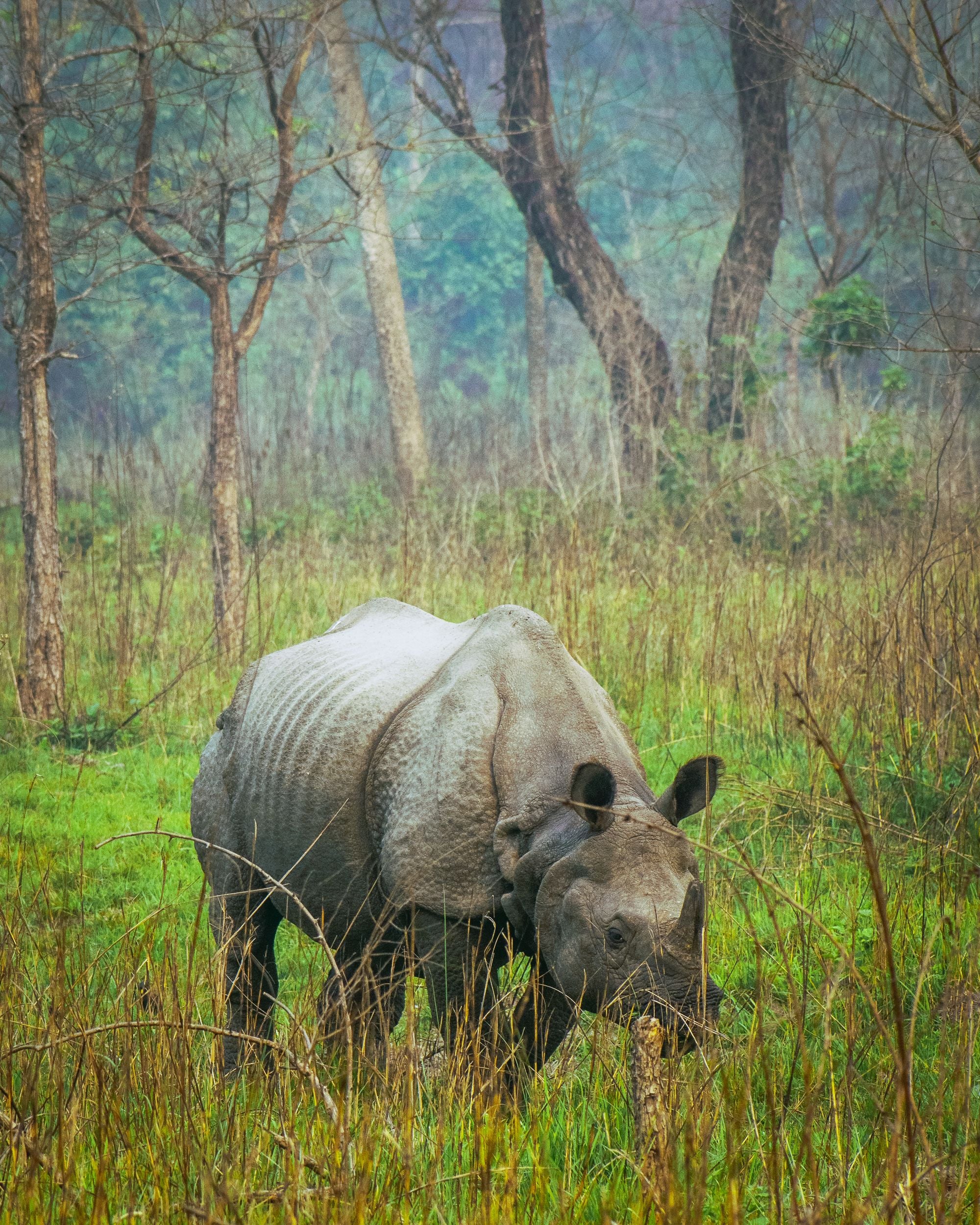
    A one-horned rhinoceros grazing in the lowland jungle of Nepal
    Easy

    Chitwan Jungle Safari

    4 days · Chitwan, Nepal

    • Jeep + canoe

    From$390per person

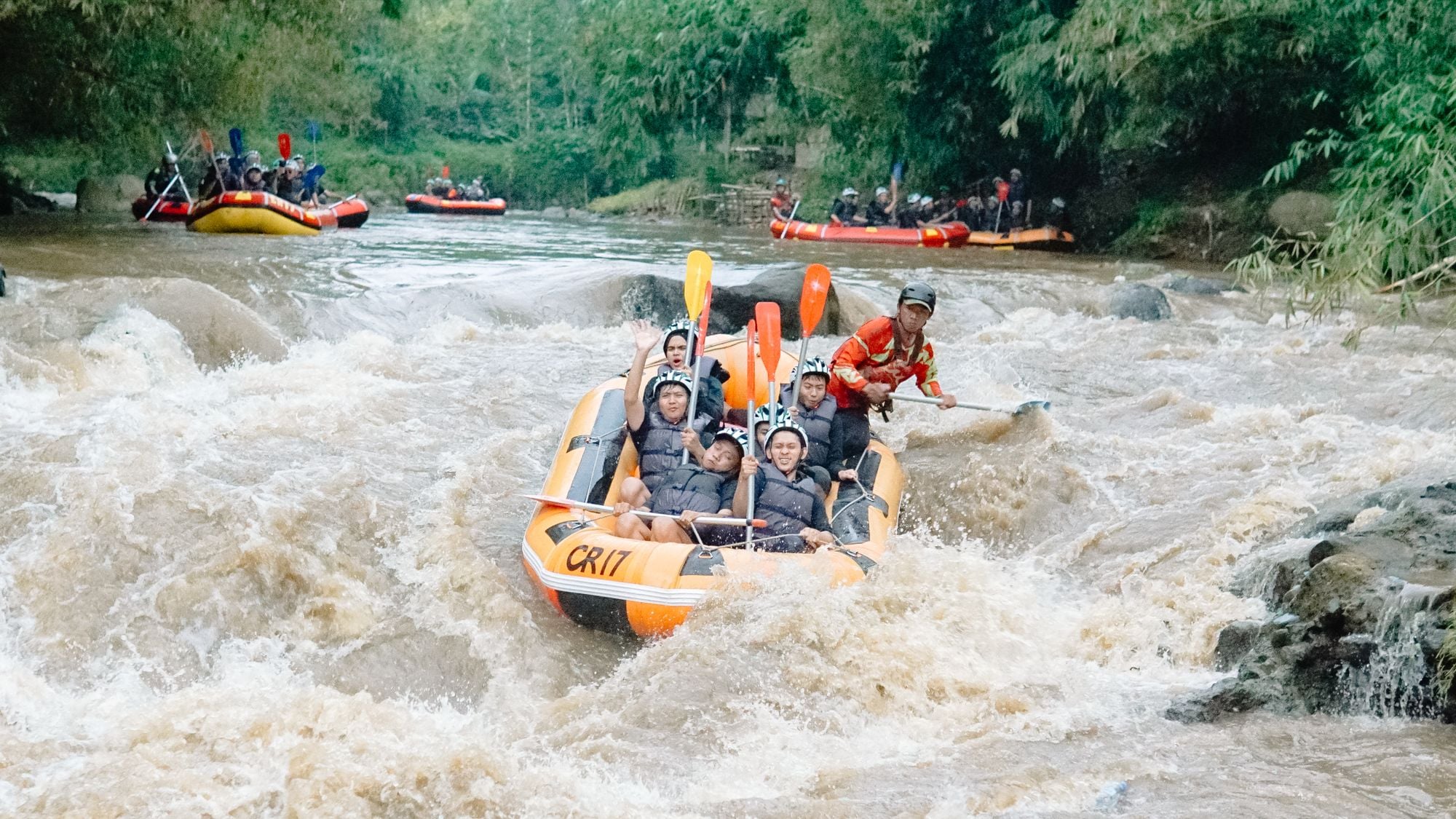
    A raft crew running white water through a green Nepali gorge
    Weekend add-onModerate

    Trishuli River Rafting

    2 days · Trishuli, Nepal

    • Class III–IV

    From$145per person

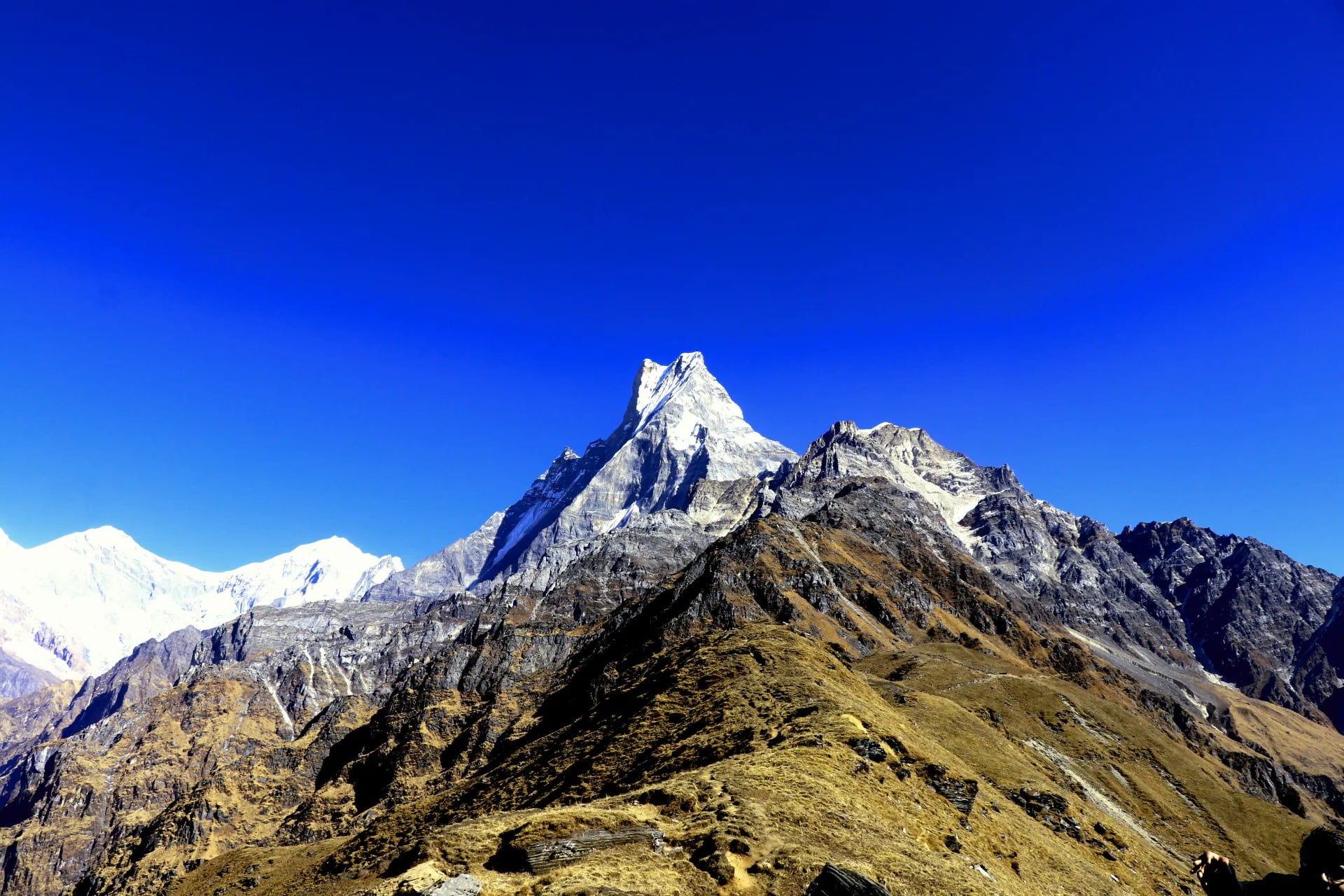
    Machapuchare rising beyond the Mardi Himal ridge
    Short escapeEasy

    Mardi Himal Trek

    8 days · Annapurna, Nepal

    • 4,500 m

    From$690per person

    Kathmandu Day Tour

    Spare day

    From

    $89per person

    1 day

    Group-size prices

    Price per person by number of travellers
    1 traveller$145
    2–4 travellers$89, the price shown above
    5–8 travellers$69
    9 travellers or more$55
    Book nowEnquire
    • 20% deposit to book, the balance paid on arrival in Kathmandu

    Talk to someone who grew up in the valley

    WhatsAppItinerary PDF+977 9851085456