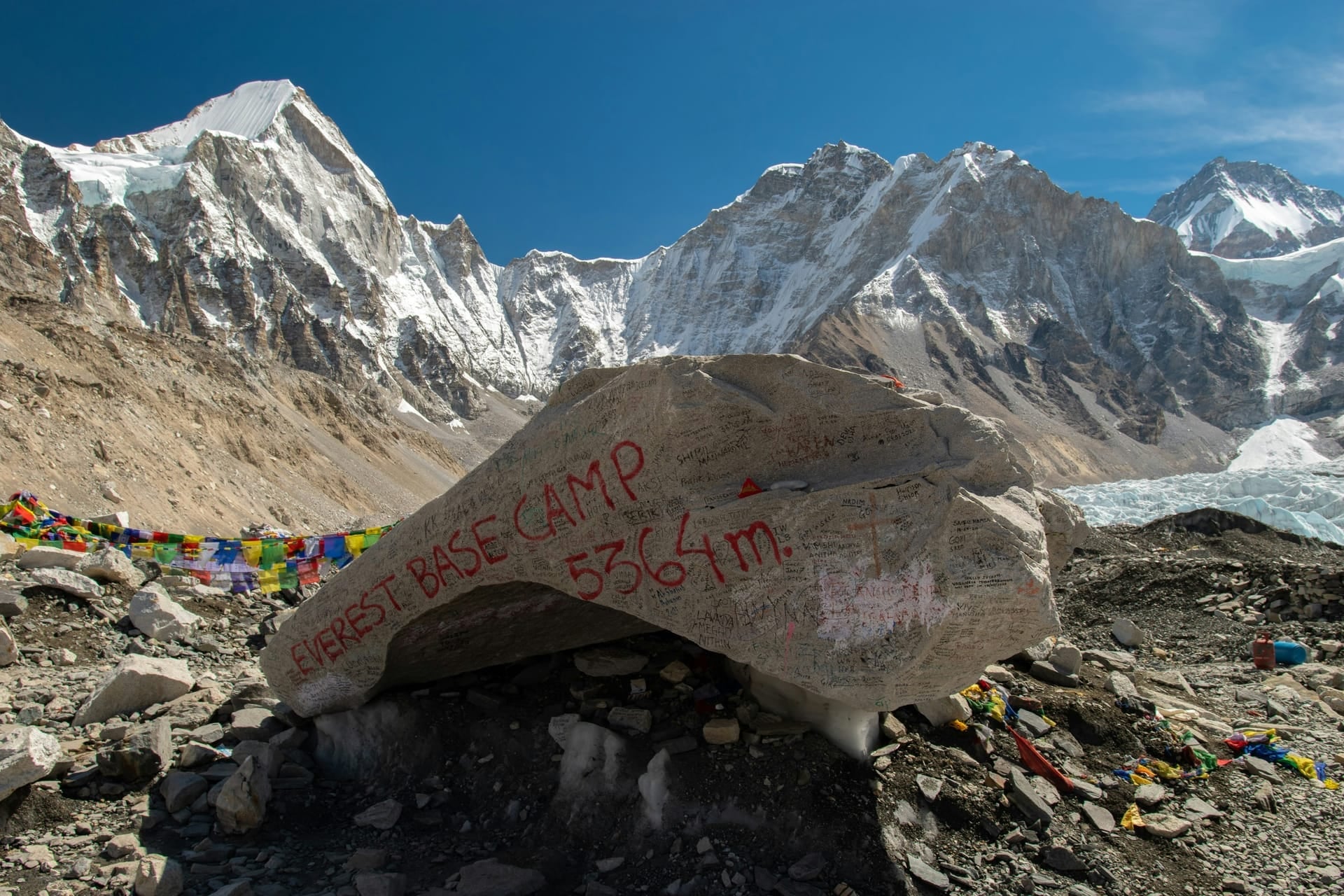
 ChallengingChallenging6–7 hours a day · 4,500–5,600 mConsecutive days at altitude, cold nights and a pre-dawn start or two. You need to arrive fit rather than plan to get fit on the trail.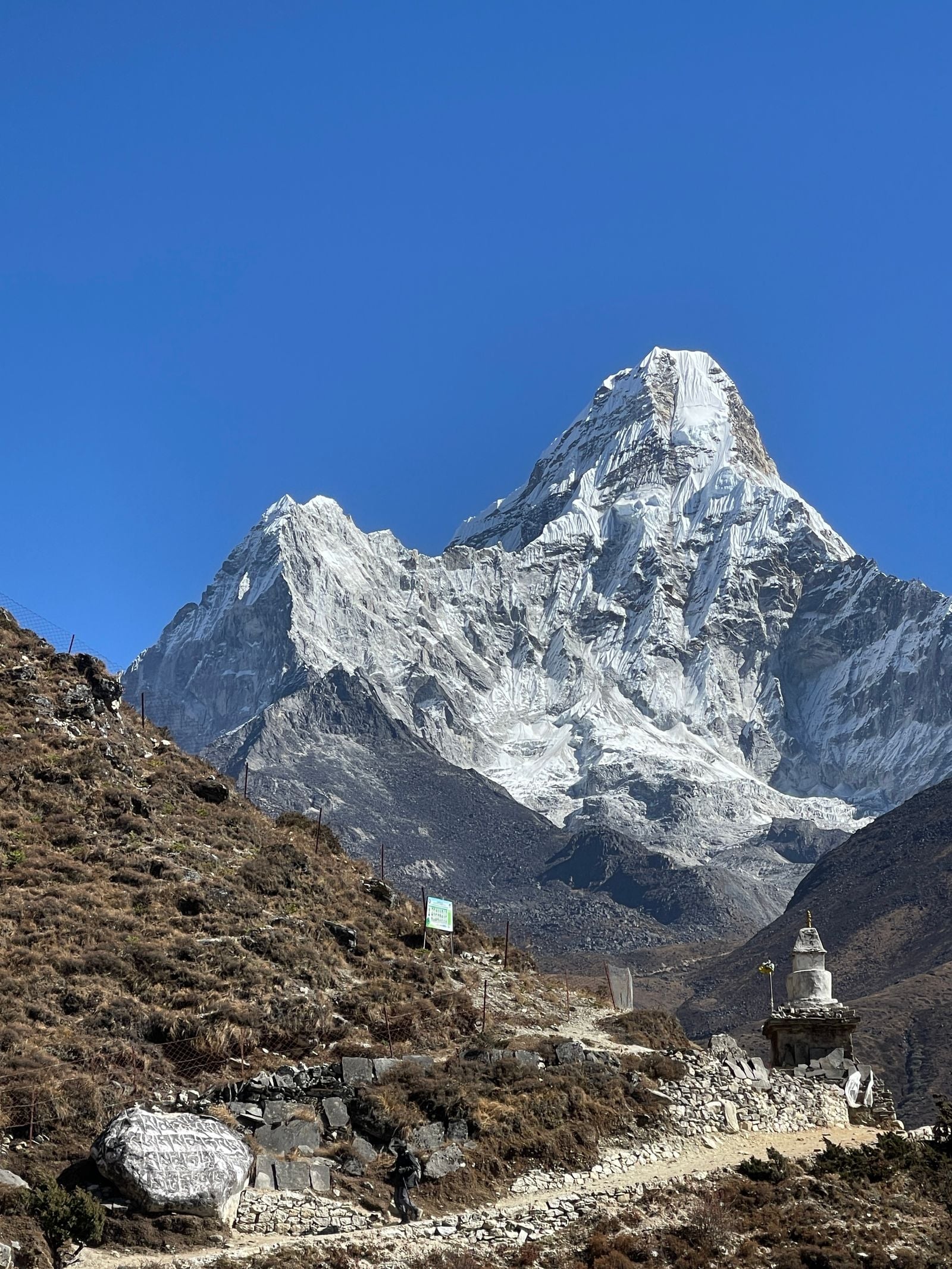
Treks across the Himalaya
Teahouse trails and camping routes, each with its altitude profile and departures published.
The routes we run most
Full itinerary, altitude profile and departure board behind each one.
ChallengingChallenging6–7 hours a day · 4,500–5,600 mConsecutive days at altitude, cold nights and a pre-dawn start or two. You need to arrive fit rather than plan to get fit on the trail.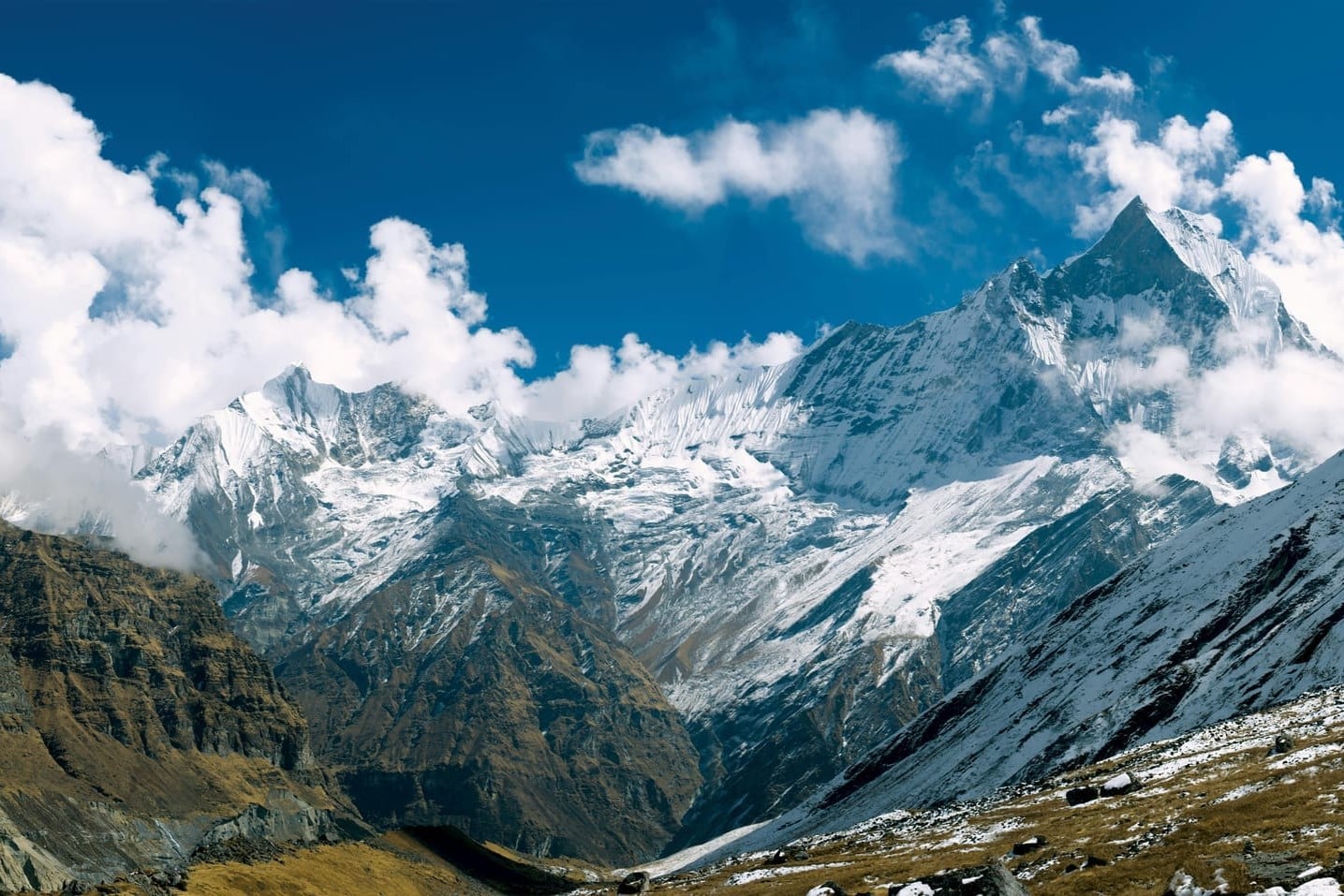 ModerateModerate5–6 hours a day · 3,500–4,500 mLonger days with real ascent, and at least one acclimatisation day built in. Some training helps; hill walking most weekends for two months is enough.
 ModerateModerate5–6 hours a day · 3,500–4,500 mLonger days with real ascent, and at least one acclimatisation day built in. Some training helps; hill walking most weekends for two months is enough.
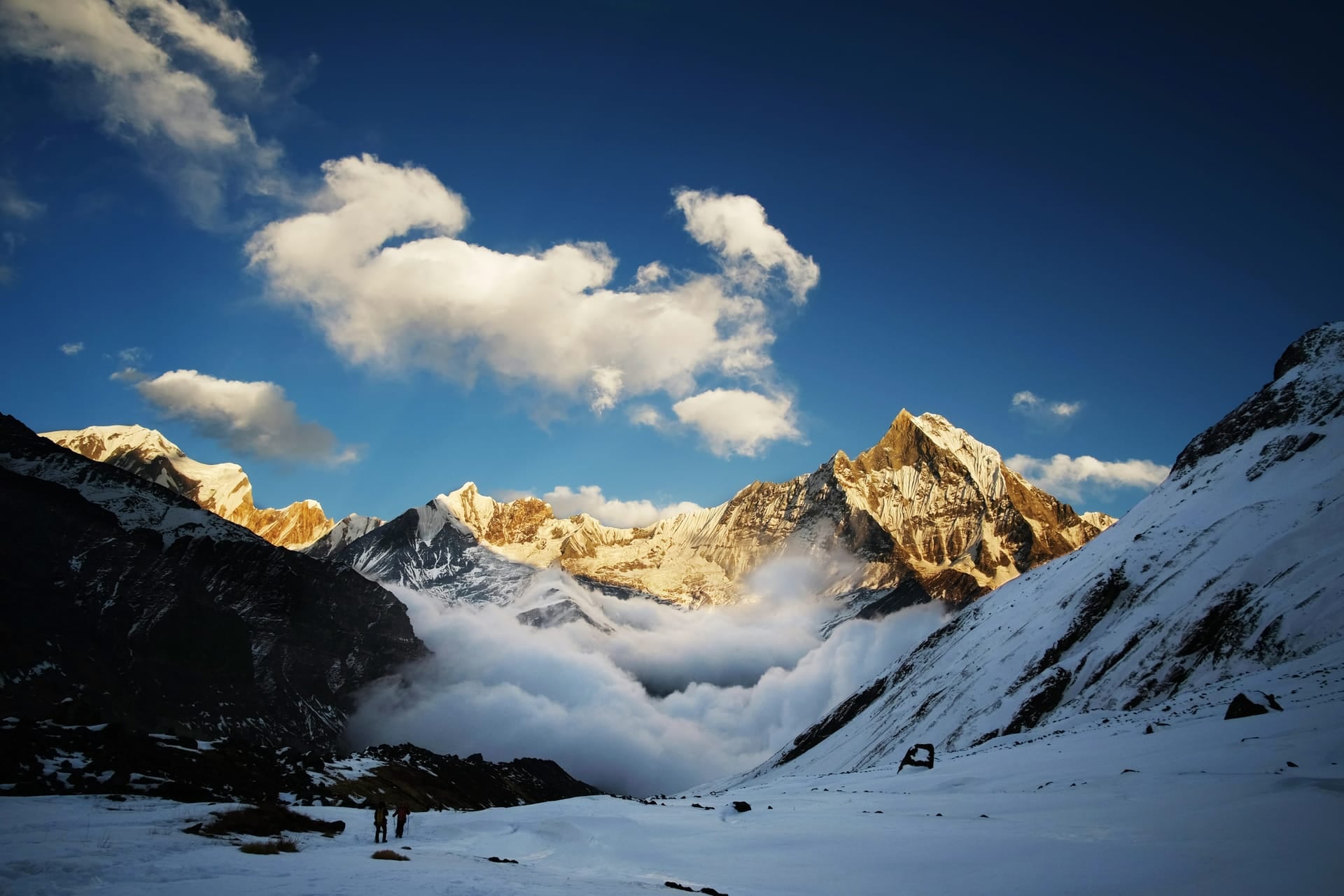
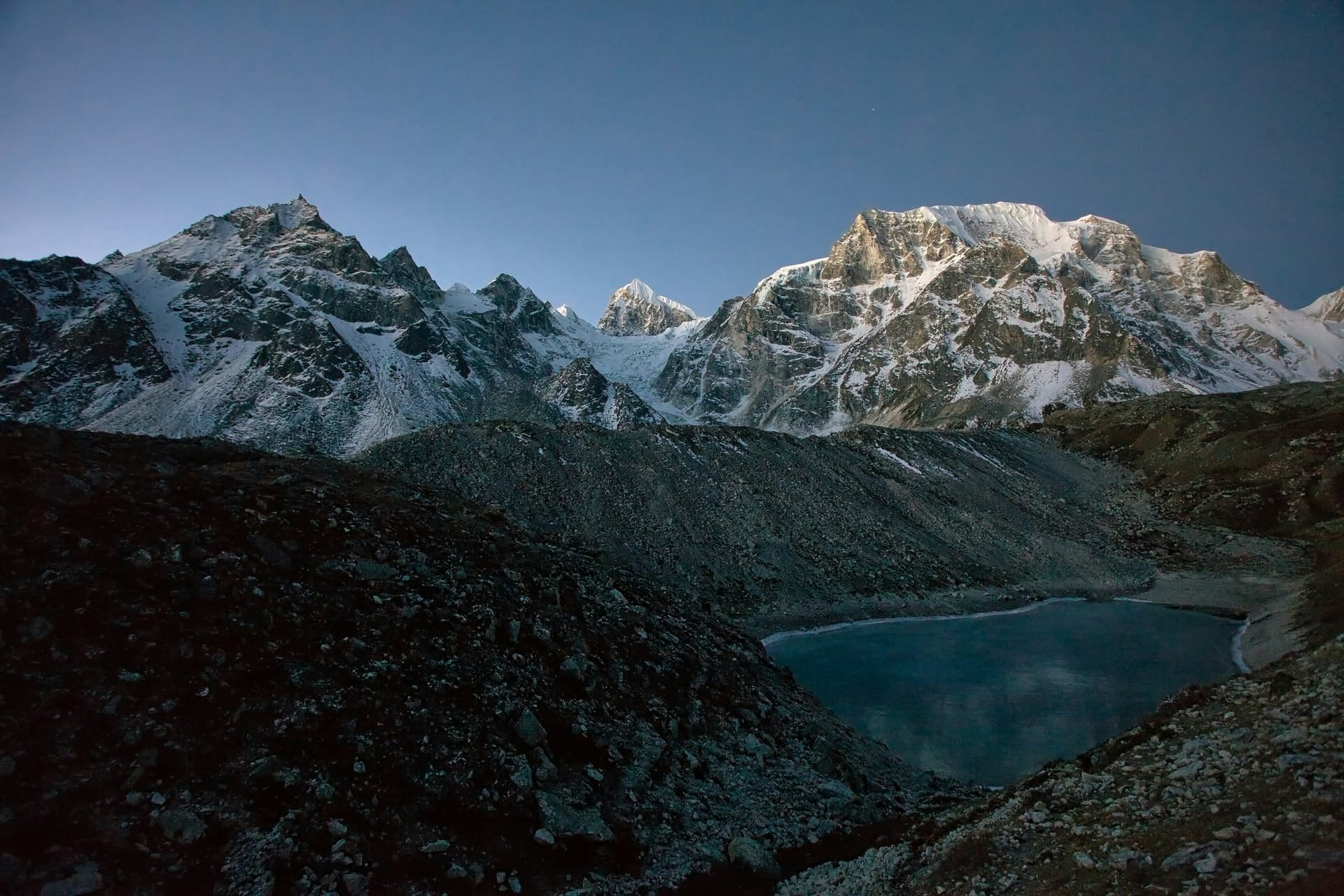 StrenuousStrenuous7–9 hours a day · Above 5,000 m, with a passRemote routes, a high pass to cross on a fixed day, and camping where there are no lodges. Previous multi-day trekking at altitude is a condition of joining.
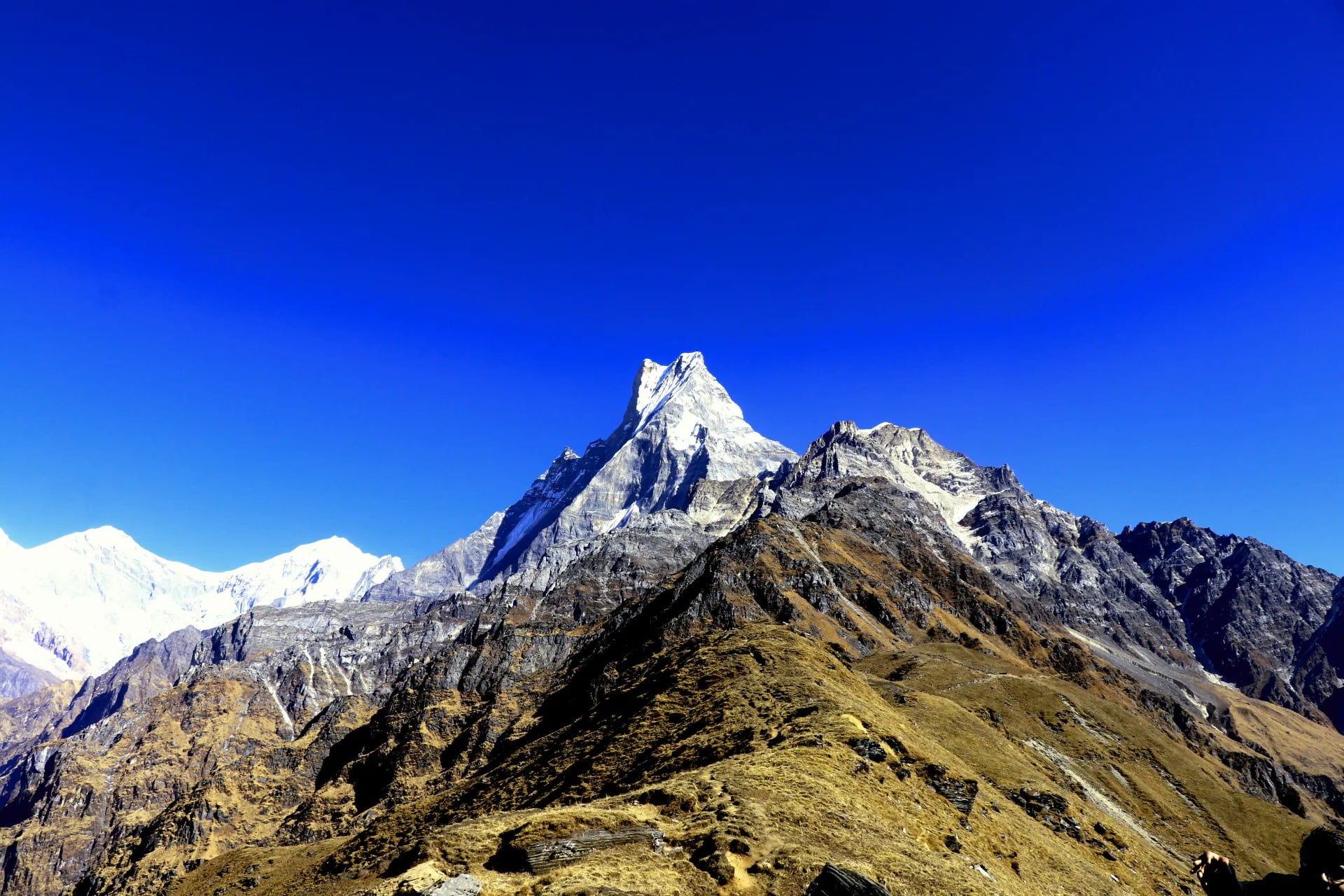 Short escapeEasyEasy4–5 hours a day · Below 3,500 mWell-made trails, teahouses close together, and nothing that needs a head for heights. Anyone who walks regularly at home will be comfortable.
How we grade a trek
Four grades, set by hours walked and sleeping altitude. Between two? Take the lower one.
- Easy
- Walking
- 4–5 hours a day
- Sleeping altitude
- Below 3,500 m
Well-made trails, teahouses close together, and nothing that needs a head for heights. Anyone who walks regularly at home will be comfortable.
- Moderate
- Walking
- 5–6 hours a day
- Sleeping altitude
- 3,500–4,500 m
Longer days with real ascent, and at least one acclimatisation day built in. Some training helps; hill walking most weekends for two months is enough.
- Challenging
- Walking
- 6–7 hours a day
- Sleeping altitude
- 4,500–5,600 m
Consecutive days at altitude, cold nights and a pre-dawn start or two. You need to arrive fit rather than plan to get fit on the trail.
- Strenuous
- Walking
- 7–9 hours a day
- Sleeping altitude
- Above 5,000 m, with a pass
Remote routes, a high pass to cross on a fixed day, and camping where there are no lodges. Previous multi-day trekking at altitude is a condition of joining.
When to walk
Four windows, and two of them are better than the other two.
Spring
March–MayThe best all-round window
Rhododendron in flower up to 3,500 m, long settled spells, and the expedition season on the big peaks. Warmer than autumn low down, hazier in the afternoons.
Autumn
September–NovemberThe clearest air of the year
The monsoon washes the sky and October gives the visibility every photograph of Nepal was taken in. It is also the busiest month, so lodges are booked from January.
Winter
December–FebruaryEmpty trails, cold nights
Bright, stable days and almost nobody on the trail. High passes close under snow, so routes stay lower: Mardi Himal, Poon Hill and the lower Khumbu come into their own.
Monsoon
June–AugustOnly in the rain shadow
Most of Nepal is wet, leeched and cloud-locked. North of the main range, Upper Mustang and Dolpo stay dry, which is exactly when to walk them.
Common questions
Visas, permits, insurance, money and health. If yours is not here, ask us.
Still have a question?
Write to us, and we will answer it.
Where is Nepal?
Nepal is a landlocked country in South Asia, located between India and China. It is home to Mount Everest and the Himalayan mountain range.
How can I enter Nepal?
You can enter Nepal by air through Tribhuvan International Airport (TIA) in Kathmandu, or overland through designated border crossings from India and China.
Do I need a visa to enter Nepal?
Most foreign nationals need a visa to enter Nepal. Indian citizens generally do not require a visa.
What do I need to get a Nepal visa?
Most travellers can obtain a tourist visa on arrival at Tribhuvan International Airport or apply online in advance. A valid passport and passport-size photo are generally required.
What is the weather like in Nepal?
Nepal has diverse weather due to its varying elevations. Summers are generally warm and rainy, winters are cooler and dry, and higher mountain regions remain cold throughout much of the year.
When is the best time to visit Nepal?
The best seasons for trekking and sightseeing are generally spring (March to May) and autumn (September to November), when the weather is usually clear and pleasant.
What time is it in Nepal and what is the country code?
Nepal follows Nepal Time (NPT), UTC+5:45. The international dialling code is +977.
Are ATMs available in Nepal?
Yes. ATMs are widely available in major cities such as Kathmandu and Pokhara. Credit and debit cards are also accepted at many hotels, restaurants and shops.
Can I travel to Nepal from Tibet?
Yes, travel between Tibet and Nepal is possible through designated border crossings, but access may depend on permits, regulations and current border conditions. Organised travel is generally required.
What is the national language of Nepal?
Nepali is the official language of Nepal and is written in the Devanagari script. Nepal is also home to many other languages and ethnic communities.
What is the common greeting in Nepal?
The most common traditional greeting is Namaste or Namaskar. It is usually accompanied by placing the palms together in front of the chest.
Do I need a licensed guide to trek in Nepal?
On the main routes, yes. Trekkers in the national parks and conservation areas are required to walk with a government-licensed guide, and the checkpoints on the Everest, Annapurna, Langtang and Manaslu trails verify the licence rather than take your word for it. Restricted areas such as Upper Mustang, Manaslu and Dolpo go further again: a special permit, a registered agency and a minimum of two trekkers. Day walks around the Kathmandu valley and Pokhara are not affected.
Which trekking permits will I need, and who arranges them?
Almost every trek needs a national park or conservation area entry permit, and several regions add a rural municipality fee collected at a local checkpoint. The old paper TIMS card has been replaced by a digital system and is no longer used in the Everest region at all. Restricted areas need their own permit, issued only through a licensed agency. We arrange the permits for the trips we run.
Is travel insurance compulsory?
Yes. Our terms require comprehensive travel insurance for every trip. It has to cover trekking to the maximum altitude on your itinerary and, separately, helicopter evacuation, mountain rescue and repatriation. Ordinary holiday cover stops well below Himalayan trekking altitude, so read the altitude ceiling rather than the headline: most insurers sell a walking trek as a 6,000 m band.
How much cash should I bring, and can I pay by card?
Cards work in Kathmandu and Pokhara hotels, restaurants and larger shops, and nowhere on a trail. Nepali ATMs dispense roughly NPR 20,000 to 35,000 per withdrawal and charge around NPR 500 on top, so take out the largest amount your card allows rather than making several small withdrawals. Bring clean, undamaged US dollars in cash for the visa fee on arrival, and change the rest with a licensed money changer in Thamel, where the rate beats the airport.
Which vaccinations do I need?
None are compulsory to enter Nepal unless you are arriving from a country with a risk of yellow fever, which requires a certificate. Travel clinics usually recommend being current on tetanus, hepatitis A and typhoid, and will discuss hepatitis B and rabies for longer or more remote trips. Book the appointment six to eight weeks before you fly: some courses need more than one dose to protect you.
Is the water safe to drink?
Not from the tap, anywhere in the country. Treat it instead: a filter bottle, a UV pen or chlorine tablets all work, and refill stations along the main trekking routes sell treated water by the litre for a fraction of what a bottle costs. Single-use plastic is restricted in the Khumbu and other regions are following, so a refillable bottle is now the practical choice as much as the responsible one.
How much should I tip a guide or porter?
Tipping is customary rather than obligatory, and it is given as a lump sum at the end of the trek rather than day by day. The usual range is USD 10 to 15 a day for a guide and USD 8 to 12 a day for each porter, pooled by the group and handed over at the farewell dinner. In cafés and restaurants, 10% is generous where a service charge is not already on the bill.
What are the plugs and the power supply like?
Nepal runs on 230V, 50Hz, with type C, D and M sockets; the round two-pin European plug fits most of them. Phone, camera and laptop chargers are almost always dual voltage and need nothing more than an adapter. City power cuts are far rarer than they were a decade ago, but in a teahouse electricity is metered and charged per device, so a 20,000 mAh power bank pays for itself in a week.
Can I get a local SIM card or an eSIM?
Yes. Ncell and Nepal Telecom (NTC) both sell tourist SIMs at the airport and across Thamel: bring your passport and a passport photo and it takes about fifteen minutes. NTC has the better reach in the mountains, Ncell the faster data in the cities. Both support eSIM now, and international eSIM providers work from the moment you land if you would rather arrive already connected.
How far ahead should I book?
For October, November, March and April — the two peak windows — three to six months is sensible: teahouses, Lukla seats and the best crews are all spoken for early. Outside those months a few weeks is usually enough. A place is held with a 20% deposit and the balance is not due until the trip briefing in Kathmandu, so booking early costs you nothing but the deposit.
Tell us your dates
Tell us how long you have and what you would like to do, and we will plan it with you.
Talk to us directly
Nepali time is UTC+5:45.